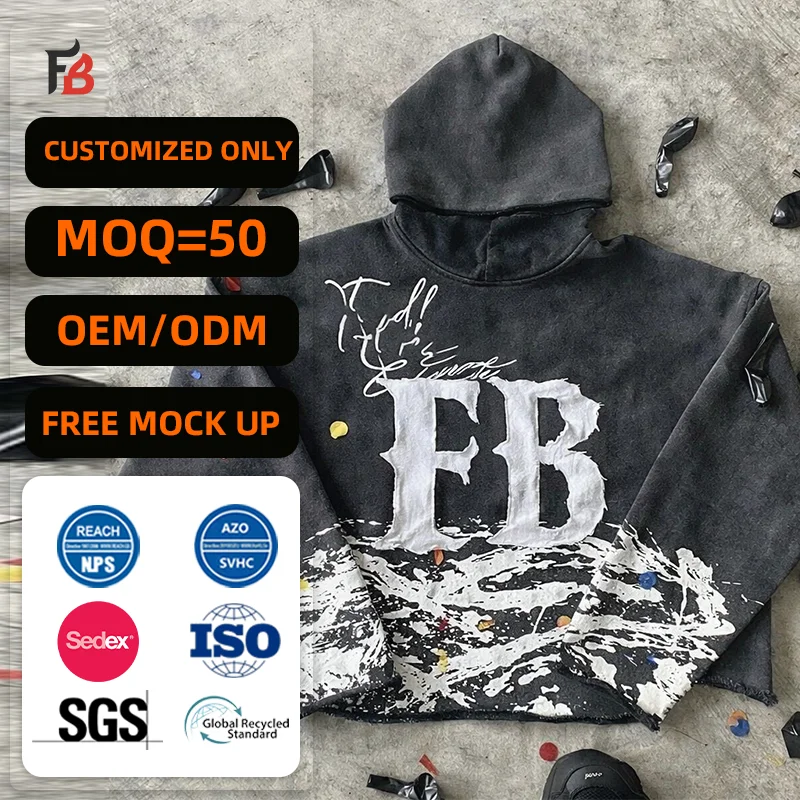
Comprehensive Quality Assurance and Sustainable Practices
Distinguished tshirts manufacturer operations implement rigorous quality assurance protocols throughout every production stage, ensuring consistent excellence that protects client brands and maximizes customer satisfaction. These quality systems begin with incoming material inspection where fabric shipments undergo testing for weight consistency, color accuracy, dimensional stability, and defect identification before entering production workflows. This preventive approach intercepts substandard materials before they consume labor resources or compromise finished goods quality. During cutting operations, quality controls verify pattern accuracy and ensure proper grain alignment that prevents garments from twisting during wear and laundering. Sewing quality checkpoints monitor stitch consistency, seam strength, proper thread tension, and accurate pattern assembly, with experienced inspectors identifying potential issues before they propagate through entire production runs. Print quality assessment occurs both during setup and throughout production runs, with tshirts manufacturer teams checking color accuracy, registration precision, proper ink cure, and wash durability to ensure graphics maintain their appearance through expected product lifecycles. Final inspection protocols examine every finished garment for construction defects, print flaws, incorrect sizing, color inconsistencies, and cleanliness before approval for packaging and shipment. Many tshirts manufacturer facilities implement statistical process control methodologies that track defect rates, identify trends indicating process degradation, and trigger corrective actions before quality issues impact customer shipments. This data-driven approach to quality management demonstrates the professional operational maturity that separates industry-leading manufacturers from marginal competitors. Sustainability practices increasingly define excellence in tshirts manufacturer operations as environmentally conscious consumers demand products aligned with their values. Progressive manufacturers source organic cotton certified by recognized standards, utilize recycled polyester derived from post-consumer plastic bottles, and offer eco-friendly fabric options that reduce environmental impact without compromising garment performance. Water conservation initiatives including closed-loop dyeing systems and efficient washing processes dramatically reduce freshwater consumption compared to traditional textile manufacturing. Energy efficiency investments spanning LED facility lighting, variable-speed motor drives, and heat recovery systems reduce carbon footprints while simultaneously lowering operational costs that translate into competitive client pricing. Waste reduction programs maximize fabric utilization through optimized pattern layouts, repurpose cutting scraps into alternative products, and implement comprehensive recycling protocols for paper, plastic, and metal waste streams. Chemical management systems ensure proper handling, storage, and disposal of inks, dyes, and cleaning agents, protecting both worker health and environmental quality. Ethical labor practices represent another crucial sustainability dimension, with responsible tshirts manufacturer operations maintaining safe working conditions, paying fair wages, respecting reasonable working hours, and prohibiting child labor throughout their supply chains. Third-party certifications from organizations monitoring labor practices and environmental standards provide independent verification of manufacturer commitments, offering clients confidence that their supply chains align with corporate social responsibility objectives and consumer expectations.
 EN
EN