 EN
EN


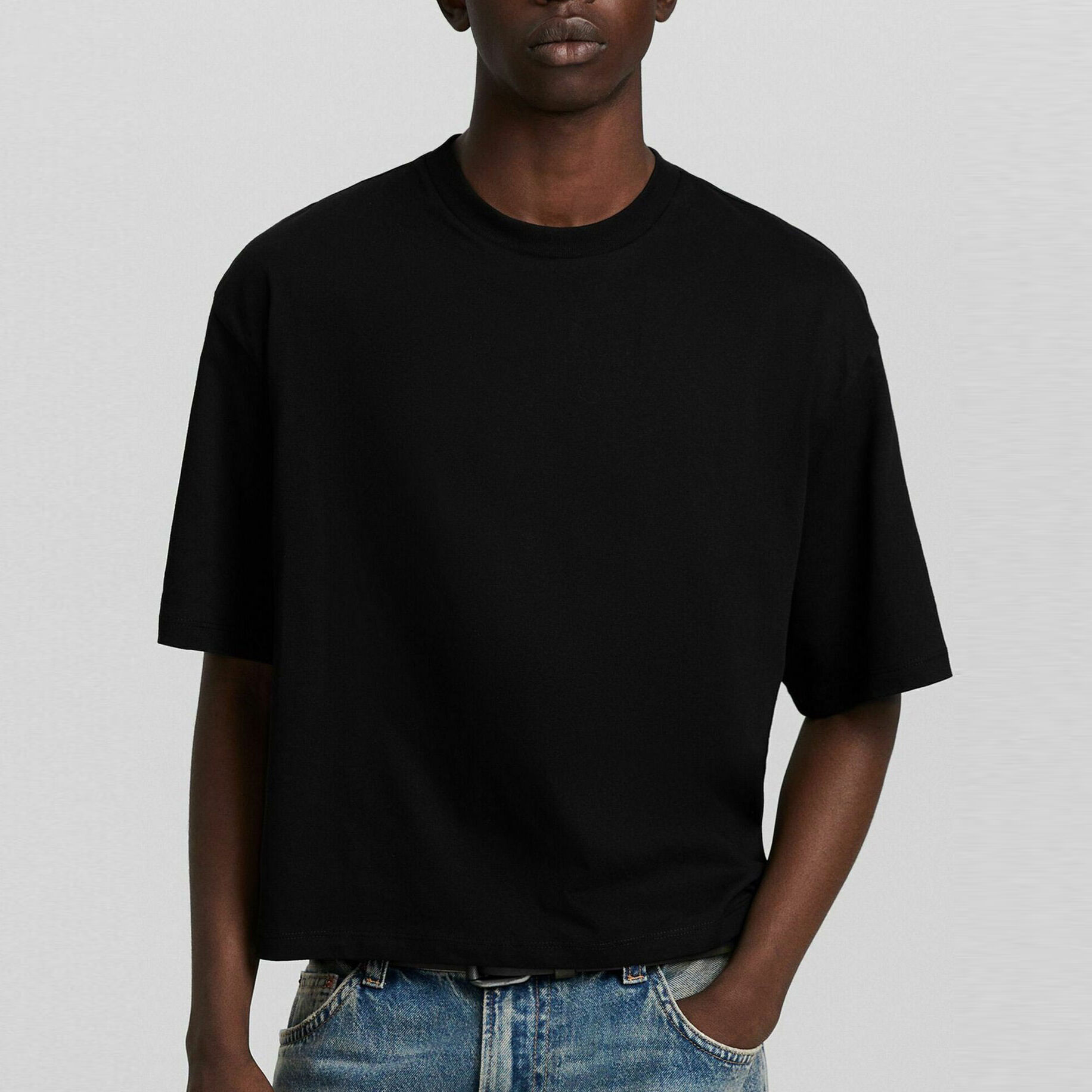
The growing demand for environmentally conscious apparel has transformed the textile industry, pushing brands and manufacturers to explore innovative materials that minimize ecological impact. When creating a sustainable custom t shirt, the choice of fabric becomes paramount, as it directly influences the garment's carbon footprint, biodegradability, water usage during production, and overall environmental legacy. Understanding which eco-friendly fabrics are available and how they perform in custom printing applications empowers businesses and consumers to make informed decisions that align with both quality expectations and sustainability commitments.
Selecting the right fabric for a sustainable custom t shirt involves evaluating multiple factors including fiber origin, processing methods, durability, printability, and end-of-life recyclability. This comprehensive guide explores the most viable eco-friendly fabric options currently available in the custom apparel market, examining their environmental credentials, performance characteristics, and suitability for various printing techniques. Whether you are a brand seeking to launch a green clothing line or an individual looking to make responsible fashion choices, understanding these material options will enable you to create custom garments that reflect both style and environmental stewardship.
Organic Cotton and Its Role in Sustainable Custom T Shirts
Understanding Organic Cotton Certification Standards
Organic cotton represents one of the most widely adopted materials for producing a sustainable custom t shirt, primarily due to its rigorous cultivation standards that prohibit synthetic pesticides, fertilizers, and genetically modified seeds. Certified organic cotton farms must adhere to strict guidelines established by organizations such as the Global Organic Textile Standard (GOTS) and Organic Content Standard (OCS), which verify that the entire supply chain from field to finished fabric maintains environmental integrity. These certification systems ensure that the cotton is grown using methods that build healthy soil, conserve water resources, and protect biodiversity, making it a significantly more sustainable option compared to conventional cotton production.
The environmental advantages of organic cotton extend beyond the growing phase to include reduced water pollution and lower energy consumption during processing. Conventional cotton farming is notoriously water-intensive and relies heavily on chemical inputs that contaminate waterways and degrade soil quality over time. In contrast, organic farming practices emphasize crop rotation, composting, and natural pest management techniques that maintain ecological balance. For brands committed to producing a sustainable custom t shirt, choosing organic cotton demonstrates a genuine commitment to reducing agricultural pollution and supporting farming communities that prioritize long-term environmental health over short-term yield maximization.
Performance and Printability of Organic Cotton Fabrics
From a practical manufacturing perspective, organic cotton performs exceptionally well in custom printing applications, offering excellent receptivity to various decoration methods including screen printing, direct-to-garment (DTG) printing, and heat transfer techniques. The natural fiber structure of organic cotton provides a soft, breathable surface that absorbs ink effectively, resulting in vibrant colors and durable prints that withstand repeated washing cycles. This makes it an ideal choice for businesses seeking to create high-quality sustainable custom t shirt products that maintain their aesthetic appeal throughout their lifecycle without compromising on environmental principles.
The tactile qualities of organic cotton contribute significantly to consumer satisfaction, as the fabric offers a comfortable feel against the skin, natural temperature regulation, and hypoallergenic properties that appeal to individuals with sensitive skin or chemical sensitivities. When manufacturing a sustainable custom t shirt, the choice of organic cotton also signals authenticity to environmentally conscious consumers who increasingly scrutinize supply chain practices. The fabric's durability ensures that garments remain wearable for extended periods, reducing the frequency of replacement purchases and thereby minimizing overall textile waste—a critical consideration in the broader context of circular fashion economics.
Recycled Polyester and Innovative Synthetic Alternatives
The Transformation of Post-Consumer Plastic into Textile Fiber
Recycled polyester, commonly derived from post-consumer plastic bottles and industrial polyester waste, has emerged as a compelling option for creating a sustainable custom t shirt that diverts plastic from landfills and oceans while reducing dependence on virgin petroleum resources. The production process involves collecting, sorting, and cleaning plastic materials, which are then mechanically or chemically broken down into polymer chips before being melted and extruded into new polyester fibers. This recycling loop significantly reduces the carbon emissions associated with conventional polyester production, with studies indicating that recycled polyester can lower energy consumption by up to sixty percent compared to virgin polyester manufacturing.
For custom apparel applications, recycled polyester offers distinct advantages including excellent moisture-wicking properties, quick-drying characteristics, and superior color retention that make it particularly suitable for activewear and performance-oriented sustainable custom t shirt designs. The material's inherent durability and resistance to shrinking ensure that printed graphics maintain their integrity through numerous wash cycles, addressing a common concern among consumers regarding the longevity of eco-friendly garments. Brands that incorporate recycled polyester into their product lines can leverage this material's environmental story as a powerful marketing narrative, demonstrating tangible action toward waste reduction and resource conservation.
Blending Recycled Synthetics with Natural Fibers
Many manufacturers have begun developing fabric blends that combine recycled polyester with organic cotton or other natural fibers to create a sustainable custom t shirt that balances performance attributes with environmental benefits. These hybrid fabrics capitalize on the strengths of each material—polyester's durability and wrinkle resistance paired with cotton's breathability and comfort—resulting in garments that meet diverse consumer needs while maintaining sustainability credentials. The blending process allows for customization of fabric weight, texture, and drape characteristics, enabling designers to achieve specific aesthetic and functional goals without sacrificing ecological responsibility.
The technical considerations involved in printing on polyester-cotton blends require careful attention to ink chemistry and curing processes, as synthetic and natural fibers respond differently to heat and moisture. Professional printers experienced in producing a sustainable custom t shirt understand how to optimize printing parameters to ensure consistent quality across mixed-fiber substrates. Additionally, blend ratios can be adjusted to influence the garment's end-of-life recyclability, with some manufacturers designing products that can be more easily separated and processed through emerging textile recycling technologies, thereby supporting the development of a truly circular apparel economy.
Bamboo Viscose and Alternative Cellulosic Fibers
Bamboo Cultivation and Fiber Processing Methods
Bamboo-derived fabrics have gained popularity in the sustainable custom t shirt market due to bamboo's remarkable growth characteristics, including rapid regeneration without the need for pesticides, fertilizers, or significant irrigation. Bamboo plants can reach maturity in three to five years compared to decades for hardwood trees, and their extensive root systems help prevent soil erosion while sequestering substantial amounts of carbon dioxide from the atmosphere. However, the environmental profile of bamboo fabric depends heavily on the processing method used to transform the woody plant material into soft textile fiber, with significant differences between mechanical and chemical processing approaches.
Bamboo viscose, the most common form of bamboo fabric, undergoes chemical processing that dissolves cellulose and reconstitutes it into fiber through a viscose production method similar to that used for rayon. While this process has historically raised environmental concerns due to the use of harsh chemicals like sodium hydroxide and carbon disulfide, advances in closed-loop manufacturing systems now enable responsible producers to capture and recycle up to ninety-nine percent of these solvents, significantly reducing environmental impact. When sourcing bamboo fabric for a sustainable custom t shirt, it is essential to verify that suppliers utilize these closed-loop systems and maintain certifications such as OEKO-TEX or FSC verification to ensure genuine sustainability credentials beyond just the raw material origin.
Comfort and Performance Characteristics of Bamboo Fabrics
From a consumer experience perspective, bamboo viscose offers exceptional softness and drape qualities that rival premium cotton while providing natural antimicrobial properties and superior moisture management. These characteristics make bamboo an attractive option for producing a sustainable custom t shirt intended for warm-weather wear or active lifestyles, as the fabric's breathability and thermal regulation help maintain comfort across varying temperature conditions. The smooth fiber surface also creates an elegant sheen that can elevate the perceived quality of custom-printed garments, appealing to consumers seeking both sustainability and aesthetic refinement.
Printing considerations for bamboo fabric require attention to the material's smooth surface and absorbency characteristics, which can affect ink penetration and color vibrancy depending on the printing method employed. Direct-to-garment printing typically produces excellent results on bamboo viscose, yielding detailed graphics with rich color depth that complement the fabric's natural luster. For businesses developing a sustainable custom t shirt line, bamboo fabric offers an opportunity to differentiate products through unique tactile qualities and an environmental narrative that emphasizes renewable resource utilization, provided that processing transparency is maintained and communicated effectively to end consumers.
Hemp, Linen, and Traditional Plant-Based Textiles
Hemp Fiber Production and Environmental Advantages
Hemp represents one of the oldest cultivated fiber crops and has experienced renewed interest in the sustainable custom t shirt industry due to its minimal environmental footprint and exceptional durability characteristics. Hemp cultivation requires significantly less water than cotton, grows densely enough to suppress weeds naturally without herbicides, and thrives in diverse climates without depleting soil nutrients. The plant's deep root system improves soil structure and prevents erosion, while its ability to absorb substantial quantities of carbon dioxide during growth makes it a carbon-negative crop when processed using low-impact methods. These environmental advantages position hemp as an ideal fiber source for brands seeking to minimize their ecological impact while producing resilient custom apparel.
The technical properties of hemp fabric include remarkable strength and longevity, with hemp fibers being among the most durable natural textiles available. Garments made from hemp become softer with each wash while maintaining structural integrity, addressing a common perception that eco-friendly materials compromise on quality or lifespan. For a sustainable custom t shirt designed for frequent wear and washing, hemp offers practical advantages that extend product life and reduce replacement frequency. The fabric's natural UV resistance and antimicrobial properties further enhance its functional performance, making it particularly suitable for outdoor apparel and workwear applications where durability is paramount.
Linen and Blended Natural Fiber Options
Linen, derived from flax plants, provides another time-tested natural fiber option for creating a sustainable custom t shirt with distinct aesthetic and performance qualities. Flax cultivation requires minimal chemical inputs and yields fiber through a mechanical retting process that avoids harsh chemicals, resulting in a textile with excellent environmental credentials. Linen's characteristic texture and natural luster create a premium appearance that appeals to consumers seeking sophisticated casual wear, while its exceptional breathability and moisture-absorbing capacity make it ideal for warm-weather garments. The fabric's tendency to wrinkle can be viewed as either a design feature or drawback depending on brand positioning and target market preferences.
Blending hemp or linen with organic cotton or other complementary fibers allows manufacturers to create customized fabric profiles that balance the distinctive qualities of each component. These blends can soften the sometimes-coarse hand feel of pure hemp while retaining much of its durability advantage, or combine linen's elegance with cotton's versatility to produce a sustainable custom t shirt that meets specific design objectives. Print compatibility varies across these natural fiber options, with some requiring specialized ink formulations or pre-treatment processes to achieve optimal color saturation and wash fastness. Professional custom apparel producers experienced in working with plant-based textiles can guide brand owners through these technical considerations to ensure successful outcomes that honor both sustainability commitments and quality standards.
Emerging Innovations in Bio-Based and Circular Textiles
Next-Generation Cellulosic Fibers from Wood Pulp
Recent technological advances have produced innovative cellulosic fibers such as lyocell and modal that offer enhanced sustainability profiles compared to traditional rayon while delivering superior performance characteristics suitable for a sustainable custom t shirt. These fibers are typically manufactured from sustainably harvested wood pulp using closed-loop processes that recycle solvents with extremely high efficiency, minimizing chemical waste and water consumption. The production methods employed by leading manufacturers have earned recognition for their environmental responsibility, with certifications confirming responsible forestry practices and manufacturing transparency throughout the supply chain.
Lyocell fabric, in particular, has gained traction in the custom apparel market due to its exceptional softness, smooth surface, and excellent moisture management properties that rival or exceed those of cotton. The material's biodegradability ensures that garments can return to natural systems at the end of their useful life without contributing to long-term pollution, addressing growing consumer concerns about textile waste accumulation. When producing a sustainable custom t shirt using lyocell, brands can highlight the material's renewable origin, responsible processing, and compostable end-of-life characteristics as key differentiators in an increasingly crowded eco-fashion marketplace. The fabric's receptivity to printing and dyeing processes also allows for vibrant, detailed graphics that maintain quality through extended use.
Agricultural Waste Streams and Circular Material Innovation
Cutting-edge material science research has begun yielding fibers derived from agricultural byproducts and waste streams, including pineapple leaf fiber, banana stem fiber, and even fibers extracted from citrus processing waste. These innovative materials represent a paradigm shift toward circular economy principles, transforming substances that would otherwise be discarded into valuable textile inputs for a sustainable custom t shirt. While many of these materials remain in early commercialization stages with limited availability and higher costs, their development signals important progress toward decoupling textile production from both virgin resource extraction and petroleum dependence.
The integration of these novel fibers into mainstream custom apparel manufacturing will require continued investment in processing technology, quality standardization, and supply chain development. Early adopters who incorporate these materials into limited-edition or specialty sustainable custom t shirt collections can position themselves as innovation leaders while supporting the scaling of these emerging industries. As production volumes increase and processing efficiency improves, the cost premium associated with these materials is expected to decline, making them increasingly viable for broader market applications. Brands committed to pushing the boundaries of sustainable fashion can leverage these innovations to tell compelling stories about material innovation and environmental leadership that resonate with forward-thinking consumers.
FAQ
What makes a fabric truly sustainable for custom t-shirt production?
A truly sustainable fabric for custom t-shirt production considers multiple lifecycle factors including renewable or recycled raw material sourcing, low-impact cultivation or collection methods, energy-efficient and low-pollution manufacturing processes, durability that extends garment lifespan, and end-of-life biodegradability or recyclability. Certifications from recognized organizations provide verification of environmental claims across the supply chain. The most sustainable choice often depends on specific use case requirements and available manufacturing capabilities, as different fabrics excel in different performance dimensions while maintaining environmental responsibility.
How does organic cotton compare to conventional cotton in sustainability?
Organic cotton significantly outperforms conventional cotton in sustainability metrics by eliminating synthetic pesticides and fertilizers that contaminate water systems and harm ecosystems. Organic farming practices typically use less water, build healthier soil through natural methods, and reduce energy consumption during cultivation. The absence of toxic chemical residues also makes organic cotton safer for farmworkers and end consumers. While organic cotton yields per acre may be lower, the long-term environmental and human health benefits justify the modest cost premium, making it a superior choice for sustainable custom t-shirt production when environmental impact is a priority consideration.
Can recycled polyester fabrics match the quality of virgin polyester?
High-quality recycled polyester can match or exceed virgin polyester in performance characteristics including strength, durability, moisture-wicking properties, and color retention when processed using advanced recycling technologies. Modern mechanical and chemical recycling methods produce fibers with consistent quality that perform excellently in custom printing applications. The environmental advantage of diverting plastic waste from landfills and reducing petroleum consumption makes recycled polyester an attractive option for sustainable custom t-shirts. Some technical limitations exist regarding how many times polyester can be recycled before fiber degradation occurs, though ongoing innovation continues to improve circular recycling potential.
What printing methods work best with eco-friendly fabrics?
Direct-to-garment printing using water-based inks generally works exceptionally well across most eco-friendly fabrics including organic cotton, bamboo, and hemp blends, producing detailed graphics with minimal environmental impact. Screen printing with water-based or discharge inks also delivers excellent results on natural fibers while avoiding harsh chemicals. For polyester-based sustainable fabrics, sublimation printing offers a chemical-free option that creates permanent, vibrant designs. The optimal printing method depends on the specific fabric composition, desired aesthetic outcome, production volume, and environmental priorities. Professional printers specializing in sustainable custom t-shirts can recommend the most appropriate technique for each material and design combination.