 EN
EN


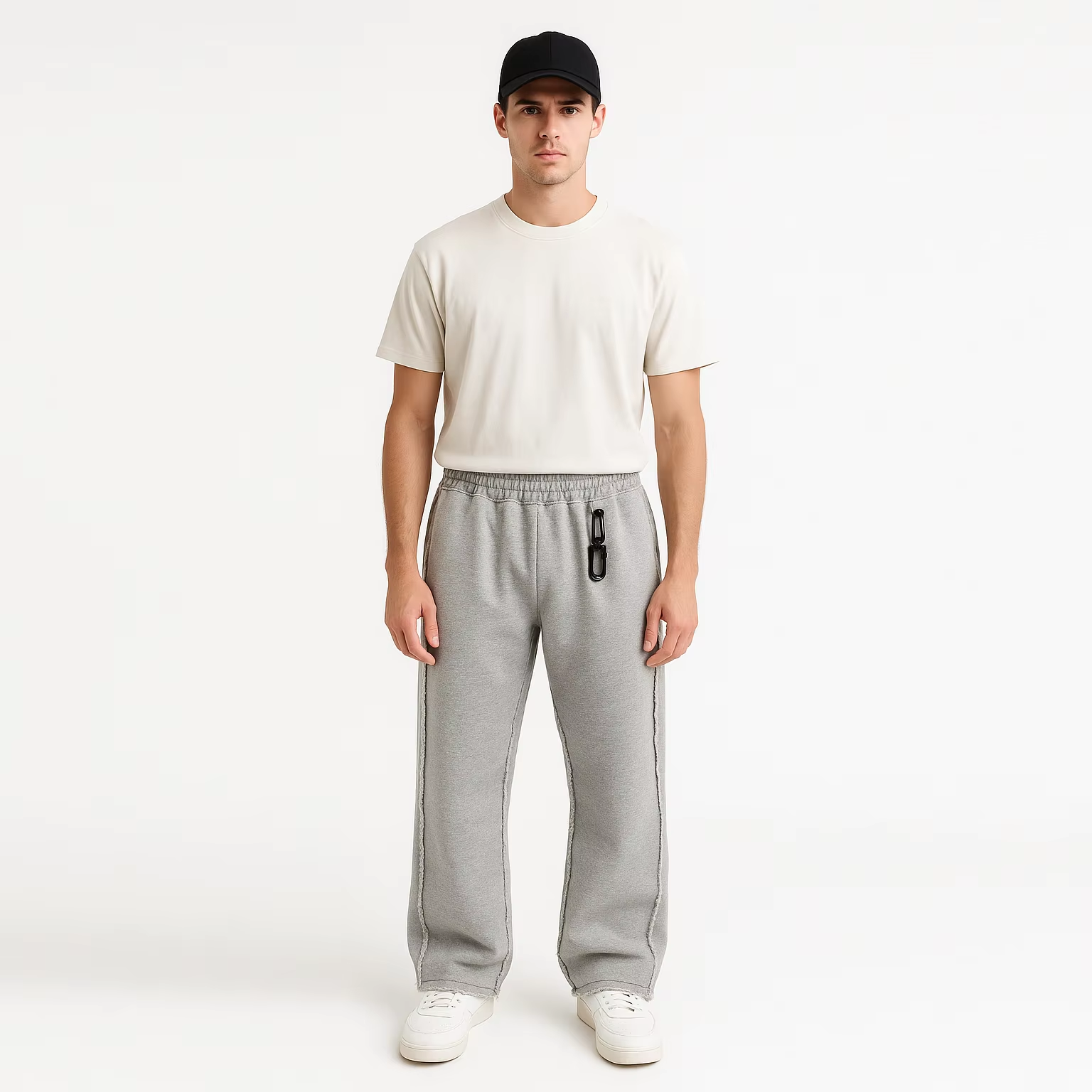
The fashion industry has witnessed a remarkable shift toward comfort-driven style, and at the forefront of this movement stands the oversized tshirt. This garment has transcended its origins as casual loungewear to become a universally flattering wardrobe essential that works seamlessly across all body types, ages, and personal style preferences. Unlike fitted clothing that emphasizes specific body proportions or requires precise sizing, the oversized tshirt operates on fundamentally different principles of visual balance and spatial relationship between fabric and body. The effortless flattery it provides stems from strategic design elements that create visual elongation, conceal areas of self-consciousness, and establish a relaxed silhouette that paradoxically appears both intentional and sophisticated.
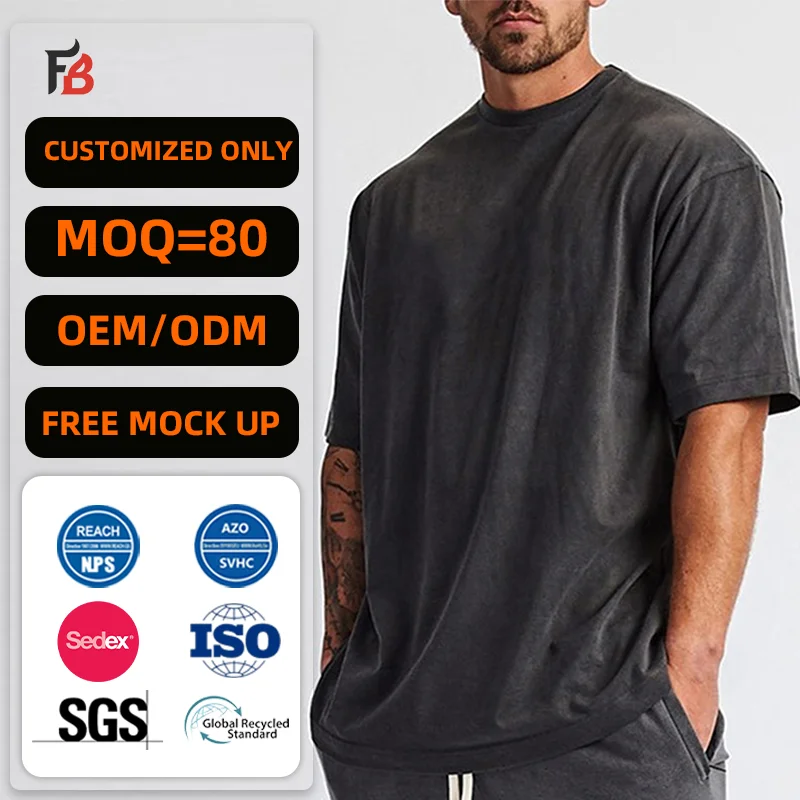
Understanding why an oversized tshirt delivers universal flattery requires examining the intersection of garment construction, visual perception psychology, and body proportion dynamics. The genius of this garment lies not in what it reveals but in how it strategically obscures and redefines body lines through deliberate fabric draping, extended shoulder seams, and carefully calculated length proportions. When properly designed, an oversized tshirt creates negative space between fabric and skin that allows the eye to interpret body shape through suggestion rather than definition, resulting in a streamlined appearance that minimizes perceived flaws while maximizing comfort and confidence.
The Structural Mechanics Behind Universal Flattery
Strategic Fabric Draping and Visual Flow
The primary mechanism through which an oversized tshirt achieves its flattering effect lies in controlled fabric draping that creates vertical visual pathways along the body. When fabric falls loosely from the shoulders rather than clinging to the torso, it establishes uninterrupted vertical lines that guide the viewer's eye downward rather than horizontally across the body's widest points. This vertical emphasis naturally elongates the silhouette, making the wearer appear taller and more proportionally balanced regardless of actual height or weight. The oversized tshirt accomplishes this through dropped shoulder seams that extend beyond the natural shoulder line, creating a broader upper framework from which fabric cascades smoothly downward.
The relationship between fabric weight and draping quality proves critical to this flattering effect. An oversized tshirt constructed from medium-weight cotton or cotton-blend fabric possesses sufficient body to maintain structure while allowing natural gravitational flow. This creates gentle folds and shadows that add dimension without bulk, establishing visual interest through texture rather than through revealing body contours. The fabric's ability to skim rather than cling ensures that the garment maintains consistent distance from the body's surface, creating a protective visual buffer that conceals without appearing deliberately concealing.
Proportion Manipulation Through Extended Dimensions
The dimensional characteristics of an oversized tshirt work systematically to rebalance body proportions through strategic exaggeration. By extending both width and length beyond standard measurements, this garment creates an envelope of fabric that redefines the body's perceived outline. The extended width through the chest and torso area prevents horizontal pulling or stretching that would emphasize width, while the additional length provides coverage that extends the vertical line. This combination proves particularly effective because it addresses the two primary concerns across diverse body types: the desire to minimize horizontal breadth while maximizing vertical extension.
The mathematical relationship between oversized tshirt dimensions and body proportions follows predictable optical principles. When a garment's width exceeds the body's natural width by a specific margin, it creates visual ambiguity about the actual body boundaries beneath the fabric. The eye naturally seeks the garment's outer edges as reference points, effectively attributing the body's perceived width to somewhere between the actual body width and the garment's edge. This perceptual averaging results in a slimming effect without requiring actual compression or restriction. Similarly, the extended length of an oversized tshirt creates additional vertical measurement that the eye incorporates into overall height perception, making the wearer appear taller through simple geometric addition.
Shoulder Line Architecture and Upper Body Balance
Perhaps the most critical structural element in the flattering capacity of an oversized tshirt resides in the dropped shoulder seam placement. Traditional fitted garments position shoulder seams at the natural shoulder point where the arm meets the torso, creating a silhouette that accurately reflects the wearer's actual shoulder width. In contrast, an oversized tshirt deliberately extends these seams several inches beyond the natural shoulder point, typically falling midway down the upper arm. This architectural decision generates multiple flattering effects simultaneously by creating a broader upper frame that makes the waist and hips appear narrower by comparison, establishing a more classically proportioned V-shaped or balanced silhouette.
The extended shoulder line also addresses common fit challenges across different body types. For individuals with narrow shoulders, the dropped seam creates the illusion of broader, more balanced proportions. For those with wider shoulders or fuller arms, the extended fabric provides comfortable coverage without restriction while the loose fit prevents the arm-binding effect that occurs with standard sleeves. This dual functionality explains why the same oversized tshirt design can flatter both petite and plus-size individuals, athletic and sedentary builds, masculine and feminine frames with equal effectiveness.
Body Type Versatility and Adaptive Flattery Mechanisms
Concealment Versus Revelation Strategy
The universal appeal of an oversized tshirt fundamentally derives from its sophisticated approach to the concealment-revelation balance. Rather than attempting to showcase the body through tight fitting or strategic contouring, this garment employs selective concealment that allows viewers to perceive body shape through suggestion and inference rather than direct observation. This psychological mechanism proves remarkably effective because human visual perception naturally fills gaps with idealized assumptions. When specific body areas remain partially concealed beneath flowing fabric, observers unconsciously attribute more favorable proportions to those hidden areas than might exist in reality.
The strategic concealment provided by an oversized tshirt addresses the most common body concerns across diverse populations. For individuals carrying extra weight around the midsection, the loose fabric prevents the horizontal stretching and gathering that occurs with fitted shirts, eliminating visual emphasis on the abdomen. For those with broader hips, the extended length and width create a continuous vertical column that prevents the eye from settling on hip width as a focal point. For individuals with less defined waistlines, the straight-falling fabric eliminates the need for waist definition, creating a streamlined column that appears intentionally minimalist rather than shapeless.
Adaptive Fit Across Size Ranges
Unlike fitted garments that require precise size matching to achieve their intended aesthetic effect, an oversized tshirt operates within a broader size tolerance range while maintaining its flattering properties. A person who typically wears a medium can achieve excellent results with an oversized tshirt labeled large, extra-large, or even double extra-large, with each size increment simply increasing the degree of oversizing rather than fundamentally altering the garment's flattering capacity. This size flexibility removes the anxiety and frustration associated with finding the perfect fit, making the oversized tshirt uniquely accessible to individuals whose body measurements fall between standard sizes or fluctuate due to lifestyle factors.
The design architecture of an oversized tshirt also accommodates body changes over time without requiring wardrobe replacement. Weight fluctuations, muscle development, pregnancy, or age-related body composition changes that would render fitted clothing unwearable often have minimal impact on how an oversized tshirt looks and feels. The generous fabric allowance simply adjusts to accommodate these changes while maintaining the same visual effect of relaxed, intentional styling. This temporal versatility contributes significantly to the garment's perceived value and explains its sustained popularity across life stages and body evolution.
Gender-Neutral Proportional Benefits
The flattering effect of an oversized tshirt extends uniformly across gender presentations because its design principles address universal body proportion concerns rather than gender-specific body features. Traditional gendered clothing often emphasizes secondary sexual characteristics through darting, tapering, and strategic fitting that can feel restrictive or unflattering to individuals whose bodies don't conform to idealized standards. An oversized tshirt bypasses these gender-coded design elements entirely, creating a neutral silhouette that allows the wearer's natural proportions to determine the garment's final appearance without imposing prescriptive shape expectations.
This gender neutrality proves particularly valuable in contemporary fashion contexts where rigid gender distinctions in clothing are increasingly questioned. An oversized tshirt flatters masculine physiques by providing comfortable shoulder room and length without excessive tightness, while simultaneously flattering feminine forms by creating graceful draping and movement. The garment achieves this dual functionality through its fundamental reliance on spatial relationship rather than body-hugging contour, making it genuinely inclusive across the gender spectrum without requiring separate design variations.
Psychological and Perceptual Factors in Effortless Flattery
Confidence Through Comfort Connection
The effortless flattery provided by an oversized tshirt extends beyond purely visual mechanics to encompass psychological comfort factors that directly influence how wearers carry themselves and consequently how others perceive them. Physical comfort translates to confident body language, relaxed posture, and natural movement patterns that collectively enhance attractiveness far more effectively than strategically fitted but uncomfortable clothing. When individuals feel unrestricted by their garments, they naturally adopt more open, assured postures and move with greater fluidity, creating an overall impression of ease and self-assurance that viewers interpret as inherent attractiveness.
The oversized tshirt removes common physical discomfort sources associated with fitted clothing: binding across shoulders, pulling at the chest, riding up at the waist, or restricting arm movement. By eliminating these irritations, the garment allows wearers to forget they're wearing clothing at all, achieving the ultimate goal of functional fashion where the garment serves the person rather than demanding constant adjustment and awareness. This unconscious comfort manifests in visible confidence that others perceive as natural charisma and style, creating a positive feedback loop where comfort breeds confidence which reads as attractiveness.
Intentionality Versus Apathy Interpretation
The styling context surrounding an oversized tshirt proves critical to whether it reads as intentionally fashionable or simply careless. When properly executed, the oversized tshirt conveys deliberate aesthetic choice rather than lack of effort, largely through subtle styling cues and garment quality indicators. A well-constructed oversized tshirt in quality fabric with clean lines and appropriate length proportions signals intentional minimalism and contemporary style awareness. The same oversized silhouette in threadbare fabric with uneven hems and inappropriate proportions reads as neglectful or sloppy, demonstrating that the flattering effect depends partially on execution quality rather than the concept alone.
The cultural context surrounding oversized tshirt adoption has evolved substantially over recent decades, shifting from associations with athletic wear or sleepwear to legitimate fashion statement status. This cultural repositioning allows wearers to leverage the oversized tshirt as a sophisticated style choice rather than a default option, contributing to the perception of effortless flattery. When fashion-forward individuals and style influencers consistently demonstrate how oversized tshirts can anchor polished outfits, they establish visual precedent that helps observers interpret the garment as stylistically intentional rather than accidentally oversized.
Visual Weight Distribution and Focal Point Control
An oversized tshirt manipulates visual weight distribution in ways that flatter diverse body types by controlling where the viewer's eye naturally settles when observing the overall silhouette. The garment's loose structure prevents the formation of obvious focal points at body areas that might invite unwanted scrutiny, instead distributing visual interest evenly across the entire upper body or directing attention to more favorable areas through strategic styling. This diffused visual weight prevents the eye from lingering on specific body parts that the wearer might prefer to minimize, creating an overall impression of balanced proportions without obvious figure flaws.
The length of an oversized tshirt plays a particularly important role in focal point control by determining where the garment terminates and consequently where the eye naturally pauses in its downward scan of the silhouette. An oversized tshirt that ends at mid-hip creates a different proportional effect than one extending to mid-thigh, with the optimal length varying based on the wearer's leg length, hip width, and overall height. Generally, an oversized tshirt that covers the hip's widest point while ending before mid-thigh achieves the most universally flattering effect by concealing the hip area while maintaining leg length visibility that preserves vertical proportion.
Practical Application and Styling Optimization
Fabric Selection and Construction Quality
The flattering potential of an oversized tshirt reaches its full expression only when constructed from appropriate fabric with sufficient quality to maintain intended structure and draping characteristics. Medium-weight cotton or cotton-polyester blends typically provide the ideal balance of body and fluidity, creating smooth vertical lines without excessive stiffness or limpness. The fabric must possess enough weight to fall cleanly from the shoulders without clinging to body contours, yet remain supple enough to create natural folds and movement that add visual interest without bulk.
Construction quality indicators significantly impact how an oversized tshirt performs its flattering function over time. Reinforced shoulder seams prevent stretching that would cause the garment to lose its carefully calculated proportions. Consistent hem quality ensures the bottom edge falls evenly rather than curling or twisting, maintaining the clean horizontal line essential to balanced proportions. High-quality fabric that resists pilling, fading, and shape distortion through repeated washing preserves the oversized tshirt's intentionally designed characteristics rather than degrading into genuinely shapeless worn-out clothing that loses its flattering effect.
Length and Proportion Calibration
Achieving maximum flattery from an oversized tshirt requires attention to length proportions relative to the wearer's height and leg length. The ideal length typically extends to approximately mid-hip or slightly below, creating sufficient torso coverage to establish a streamlined column while preserving enough leg visibility to maintain vertical proportion. An oversized tshirt that ends too short fails to provide adequate coverage and can create an unflattering truncated appearance, while excessive length overwhelms the silhouette and visually shortens the legs, particularly on individuals of average or shorter stature.
The relationship between oversized tshirt length and bottom garment selection further influences overall flattering effect. Pairing an oversized tshirt with fitted bottoms creates pleasing contrast that prevents the outfit from appearing entirely shapeless, with the fitted lower half providing definition that balances the loose upper volume. Alternatively, combining an oversized tshirt with relaxed but tapered pants maintains the comfortable aesthetic while preserving some shape definition through the leg line. The key principle involves ensuring that not all garments in an outfit share the same degree of oversizing, as this can eliminate all shape reference points and create genuinely unflattering proportions.
Strategic Styling Techniques and Enhancement Methods
While an oversized tshirt delivers flattering effects with minimal effort, several simple styling techniques can enhance its proportional benefits without adding complexity or contradiction to the relaxed aesthetic. Front tucking, where the front portion of the oversized tshirt is loosely tucked into bottoms while the back remains out, creates subtle waist definition and raises the visual break point between upper and lower body, effectively lengthening the leg line. This technique maintains the relaxed oversized aesthetic while introducing slight shape suggestion that prevents the silhouette from appearing entirely rectangular.
Layering strategies also amplify the flattering capacity of an oversized tshirt by adding dimension and visual interest that elevates the overall outfit beyond basic casual wear. An oversized tshirt layered under a structured jacket creates appealing contrast between relaxed and tailored elements, with the loose tshirt softening the jacket's formality while the jacket provides shape context that frames the oversized tshirt as intentional choice rather than fit oversight. Similarly, layering an oversized tshirt over a longer fitted base layer creates depth and movement while the visible underlayer provides length extension and additional vertical emphasis.
FAQ
What makes an oversized tshirt more flattering than a regular fitted tshirt?
An oversized tshirt creates flattery through strategic concealment and proportion manipulation rather than body contouring. The loose fabric drapes vertically from extended shoulder seams, creating uninterrupted vertical lines that elongate the silhouette while concealing specific body areas that might be sources of self-consciousness. This approach proves more universally flattering because it works with visual perception principles rather than requiring specific body proportions to look good. The oversized tshirt establishes a relaxed silhouette that appears intentionally stylish while providing physical comfort that translates to confident body language, whereas fitted shirts require precise body-to-garment matching and can emphasize areas the wearer prefers to minimize.
How oversized should an oversized tshirt be to achieve the flattering effect?
The optimal degree of oversizing typically involves selecting one to two sizes larger than your standard fitted size, though this varies based on personal proportion and the specific garment's base sizing. The shoulder seams should fall approximately two to four inches beyond your natural shoulder point, creating the dropped shoulder effect without sliding off entirely. The body width should provide several inches of ease on each side without creating excessive fabric volume that adds bulk rather than flow. Length should extend to mid-hip or slightly below, covering the hip's widest point while ending before mid-thigh to maintain leg length visibility. The goal involves achieving noticeable looseness that reads as intentional oversizing rather than accidental mis-sizing, while avoiding such extreme proportions that the garment overwhelms your frame or appears costume-like.
Can an oversized tshirt work for formal or professional settings?
An oversized tshirt can transition into business casual or smart casual contexts when styled appropriately, though it remains generally unsuitable for traditional formal business environments. The key involves elevating the oversized tshirt through fabric quality, color selection, and strategic layering or pairing choices. A premium oversized tshirt in neutral colors like black, white, or navy, constructed from high-quality cotton with clean finishing, can work under a blazer or structured jacket for business casual settings. Pairing with tailored trousers and refined footwear further elevates the look beyond pure casualwear. However, the inherent relaxed nature of an oversized tshirt makes it inappropriate for formal business situations requiring suits or traditional professional attire, where its casual associations would undermine professional presentation regardless of styling efforts.
Do oversized tshirts work equally well for petite and tall body types?
An oversized tshirt can flatter both petite and tall individuals, though each body type benefits from slightly different proportion considerations. Petite individuals should pay particular attention to length, selecting oversized tshirts that provide the desired loose fit without extending so long that they visually shorten the legs or overwhelm the frame. Cropped oversized tshirts or standard oversized styles with strategic front tucking often work best for shorter statures. Tall individuals can accommodate longer oversized tshirt lengths that would overwhelm petite frames, and may actually need to seek extended length options to achieve proper hip coverage without the garment appearing too short. The universal flattering principle remains consistent across heights, but optimal execution requires adjusting specific proportions to complement individual vertical measurements while maintaining the characteristic dropped shoulders and loose body that define the oversized aesthetic.