 EN
EN


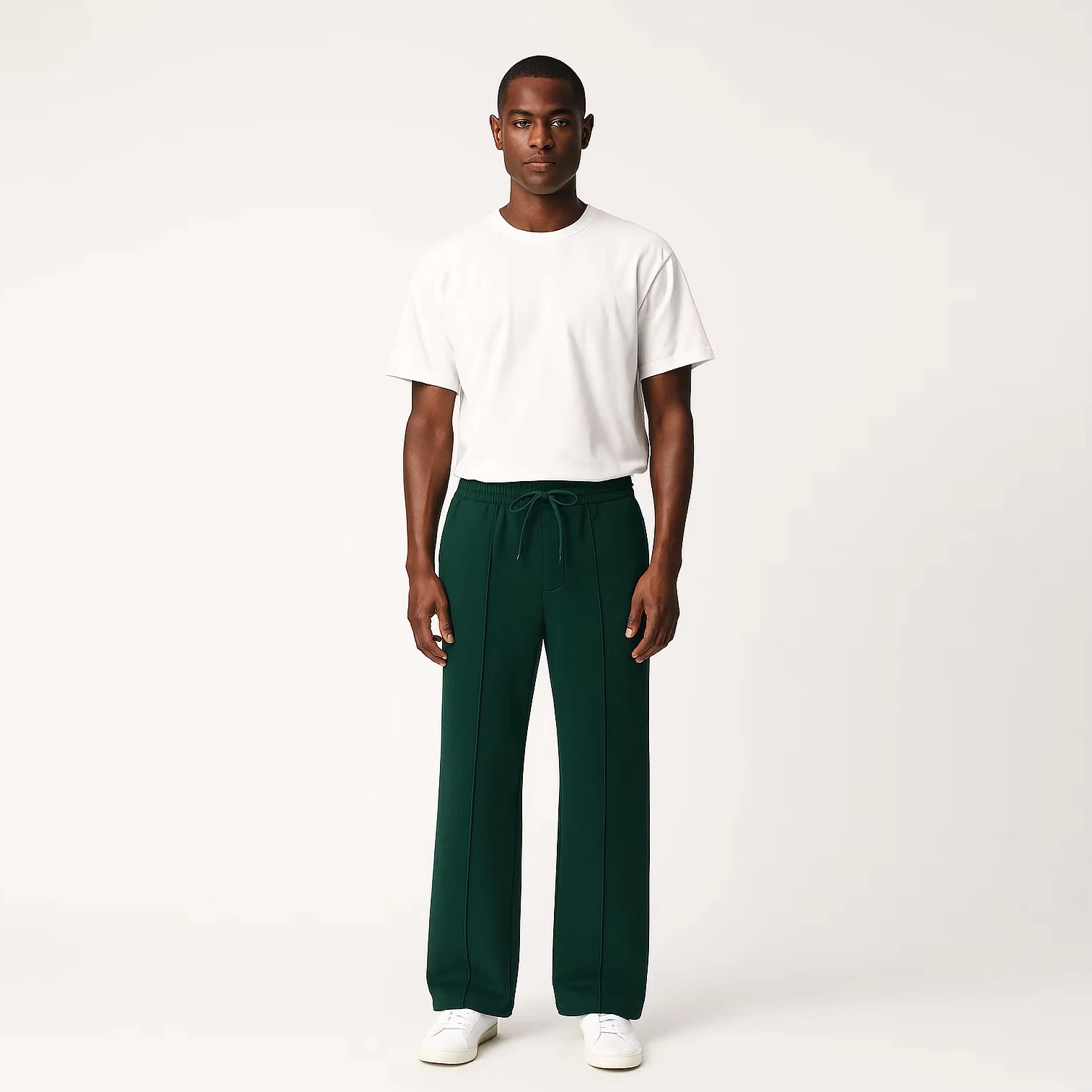
Choosing the right flare intensity can completely transform how a pair of pants looks and feels on your body. Whether you carry more volume in your thighs, your calves, or both, the degree of flare intensity at the hem directly affects proportion, balance, and overall silhouette. Getting this decision right is not about following trends — it is about understanding how flare intensity works with your specific measurements and frame.
Many shoppers focus only on waist size or inseam length when buying flare-style bottoms, but flare intensity is the factor that most determines whether the garment flatters or overwhelms your figure. A subtle flare intensity creates a gentle, elongating effect, while a dramatic flare intensity creates a bold, theatrical look. Understanding how to match flare intensity to your calf and thigh shape is the key to buying pants you will actually wear with confidence every time.
Understanding Flare Intensity and Body Proportion
What Flare Intensity Actually Means
Flare intensity refers to the degree of outward expansion from the knee or mid-leg downward to the hem. Low flare intensity means the fabric widens just slightly, producing a barely-there flare that reads as almost straight-leg. High flare intensity means the hem opens dramatically, producing a wide, sweeping silhouette. Mid-range flare intensity sits between these two extremes and is often the most versatile choice for mixed body shapes. When evaluating a garment, flare intensity is measured not just by hem circumference but by where the flare begins and how sharply it angles outward.
The starting point of the flare matters as much as flare intensity at the hem. A flare intensity that begins at the knee creates a longer, leaner visual line. A flare intensity that starts higher, at the thigh, adds volume to an area many people prefer to minimize. Knowing where the flare originates helps you predict exactly how a given flare intensity will interact with your proportions before you even try the garment on.
How Proportion Shapes Your Flare Intensity Choice
Proportion is the core principle behind every flare intensity decision. The human eye naturally seeks balance, and flare intensity is a tool for creating that balance visually. If your thighs are fuller, a moderate to high flare intensity at the hem draws the eye downward and outward, redistributing visual weight away from the widest point. If your calves are slender, a lower flare intensity is often enough to create elegance without overwhelming the leg. Choosing flare intensity without considering your specific proportions often leads to styles that look off even when the fit is technically correct.
Flare Intensity for Different Calf and Thigh Shapes
Fuller Thighs and Narrower Calves
This is one of the most common shape combinations, and flare intensity choices here are especially important. When the thigh is significantly wider than the calf, a high flare intensity at the hem creates a balanced triangle from hip to floor. The increased flare intensity counteracts the taper effect that occurs naturally when fabric hugs the calf, and instead produces a clean, even line. A low flare intensity in this shape combination tends to highlight the contrast between the fuller thigh and the narrower lower leg, which can make the silhouette look unintentionally tapered and heavy at the top.
For this shape, look for a flare intensity that begins at or just above the knee. This placement of flare intensity ensures the fabric skims over the thigh area without clinging, then opens outward before reaching the calf. The result is a continuous visual flow where the flare intensity does the visual balancing work rather than relying on strategic layering or loose tops alone.
Fuller Calves and Slimmer Thighs
When calves carry more volume than the thighs, flare intensity selection works slightly differently. A very high flare intensity can make the lower leg appear even wider, especially if the flare intensity starts too low and adds circumference directly at the fullest calf point. For this shape, a medium flare intensity that begins higher on the leg — closer to the mid-thigh — is typically the most flattering. This flare intensity level adds gradual width from a higher start point, so the calf blends into the hem rather than standing out as the widest point.
Choosing the wrong flare intensity for fuller calves can create a mushroom-like effect at the hem, where the fabric bunches or puckers. A medium flare intensity with enough ease through the calf avoids this issue while still providing the elongating benefit that makes flare intensity desirable in the first place.
Balanced Thighs and Calves
If your thigh and calf measurements are relatively similar, you have the most flexibility with flare intensity. A low, medium, or high flare intensity can all work depending on the aesthetic effect you want. A low flare intensity gives a refined, understated look suitable for professional or minimalist styles. A high flare intensity creates a dramatic, fashion-forward statement. In this case, flare intensity becomes a purely stylistic decision rather than a corrective one, which gives you freedom to experiment.
Practical Tips for Selecting Flare Intensity
Measuring Before You Shop
Before selecting a flare intensity, measure your thigh circumference at the widest point and your calf circumference at the fullest point. The ratio between these two measurements guides your flare intensity choice more reliably than visual guesswork. If the thigh is more than 30 percent wider than the calf, a higher flare intensity is typically more flattering. If the two measurements are within 15 percent of each other, a medium flare intensity is usually the safest starting point. Precise measurements prevent costly size and fit mistakes when ordering flare-style garments, especially online.
Fabric Weight and Flare Intensity
Flare intensity is not only a cut decision — fabric weight and drape also affect how flare intensity reads on the body. A heavy fabric delivers a structured flare intensity that holds its shape and creates a dramatic silhouette. A lightweight or washed fabric produces a softer flare intensity that moves more fluidly and appears slightly less pronounced. When selecting a flare intensity level in a soft, washed fabric such as a relaxed sweatpant material, consider choosing one level higher than you think you need, since the drape will soften the effect. This is especially relevant when shopping for casual flare-style sets where the fabric is intentionally relaxed.
Styling Flare Intensity for Everyday Wear
Once you have identified the correct flare intensity for your shape, styling becomes much simpler. A high flare intensity pairs best with a fitted or cropped top that does not add extra bulk at the hip. A low flare intensity works well with longer, relaxed tops that flow over the hip. Whatever flare intensity you choose, footwear height matters: a higher heel or thick sole beneath a high flare intensity increases the elongating effect dramatically, while flat shoes work best with low to medium flare intensity for a grounded, casual look.
FAQ
Can I wear high flare intensity if I am petite?
Yes, but placement matters. A high flare intensity that starts at the knee rather than the hip works well for petite frames because it elongates the leg without shortening the torso. Pairing high flare intensity with a cropped top and a slight heel also helps petite wearers carry the silhouette confidently.
Does flare intensity affect how tall I look?
Flare intensity has a significant effect on perceived height. A moderate to high flare intensity creates a continuous vertical line from waist to floor, which visually lengthens the body. Low flare intensity tends to break the visual line more subtly, which can appear more casual but less elongating overall.
How do I judge flare intensity when shopping online?
When shopping online, look for the hem circumference measurement rather than relying on visual photos alone, since photography angles can distort flare intensity. Compare the hem circumference against the knee circumference to estimate the actual flare intensity degree. A difference of 10 to 15 centimeters between knee and hem suggests a low flare intensity, while a difference above 25 centimeters suggests a high flare intensity. Always check the size guide and fabric description alongside flare intensity specs for the most accurate fit prediction.