 EN
EN


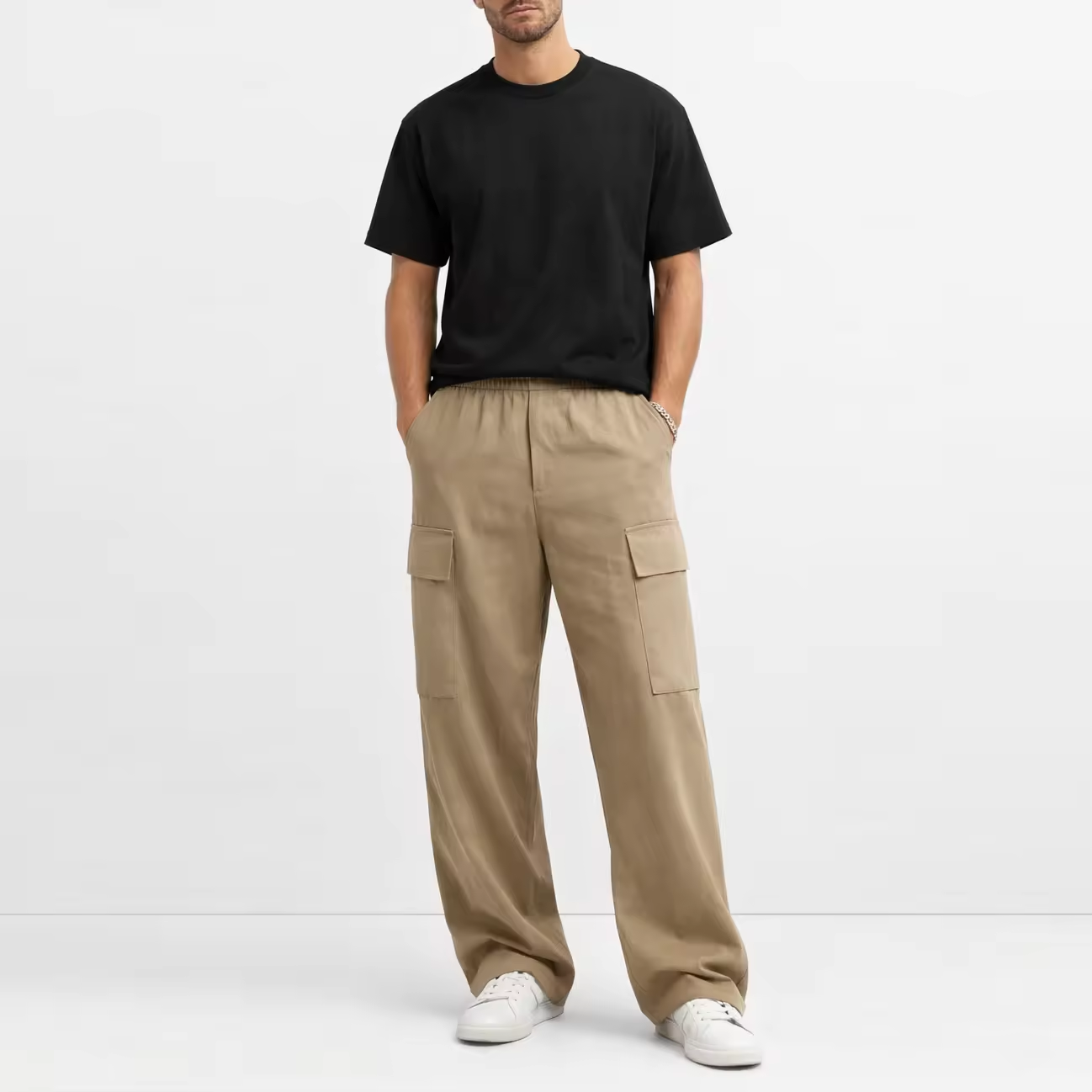
Finding the perfect pair of sweatpants has long been a challenge for consumers and brands alike. Standard sizing charts rarely account for the full diversity of body shapes, leg lengths, and waist proportions that real people actually have. Whether you are a retailer looking to serve a broad customer base or an individual seeking the ideal fit, custom sweatpants offer a fundamentally different approach — one that begins with the wearer's actual measurements rather than a generic template.
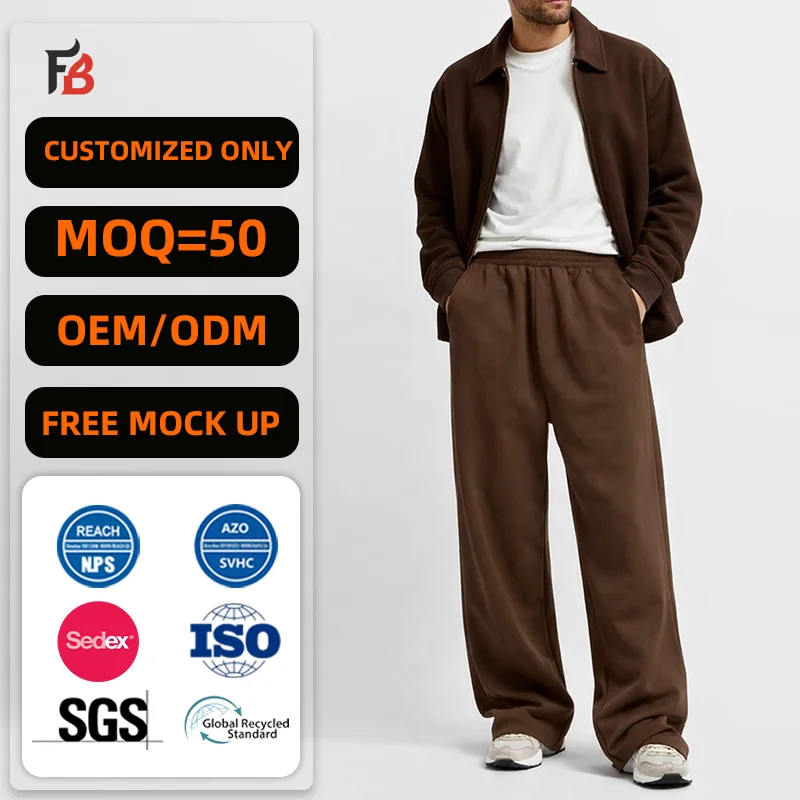
The ill-fitting length and waist problem is more than just a comfort issue — it directly affects how garments look, move, and sell. When sweatpants are too long they bunch awkwardly at the ankle, and when the waist is too loose or too tight it undermines the entire wearing experience. Custom sweatpants address both of these pain points through deliberate design choices and tailored production methods, making them an increasingly popular solution for brands, teams, gyms, and fashion labels that refuse to compromise on fit.
The Root Causes of Ill-Fitting Sweatpants in Standard Production
Why Generic Sizing Fails So Many Wearers
Mass-produced garments are designed around a statistical average — a hypothetical person whose body dimensions represent the most common combination of measurements in a given market. In practice, however, the human body does not follow a single pattern. Torso length, leg inseam, hip width, and waist circumference vary independently, which means that someone whose waist fits a medium may have legs that need a large inseam. Standard production cannot address this because it locks all dimensions into a single size label.
For sweatpants specifically, the waist and inseam length are the two most problematic dimensions. A waistband that sits too low creates a sloppy silhouette, while one that is too tight restricts movement and causes discomfort during activity. Custom sweatpants solve this at the design stage by treating the waist as an independent variable rather than a fixed derivative of a numbered size.
The result of generic sizing is that a significant portion of buyers end up altering their garments at home, rolling up hems, or simply tolerating a poor fit. This is a problem for both the consumer experience and brand reputation. Custom sweatpants eliminate this compromise entirely by building the correct dimensions into the initial production spec.
How Fabric Weight and Construction Amplify Fit Problems
Fit issues in sweatpants are made worse by certain fabric properties. A heavy cotton fleece, for instance, has less natural stretch than a jersey blend, which means the margin for error in sizing is narrower. When a heavy-weight custom sweatpants design uses 500 GSM cotton, the waistband elasticity, seam placement, and cut geometry need to be precisely calibrated to accommodate the reduced give in the fabric.
Lighter fabrics can mask poor fit because they drape more forgivingly, but heavier structured fabrics expose every millimeter of incorrect measurement. This is why brands working with premium-weight cotton must invest in custom sweatpants specifications rather than defaulting to standard sizing. The stakes are higher, and the reward of getting it right — a garment that moves naturally and looks intentionally designed — is much greater.
Construction details such as the type of waistband, the crotch curve, and the taper of the leg opening all interact with fabric weight to define the final fit. Custom sweatpants production allows each of these elements to be independently adjusted, which is something off-the-shelf production simply cannot offer.
How Custom Sweatpants Address the Waist Fit Problem
Waistband Design Options That Solve Fit Variability
The waist is the first point of contact between a sweatpant and its wearer, and it sets the tone for how the entire garment will feel and look. Custom sweatpants manufacturing gives designers complete control over waistband width, elastic tension, drawcord placement, and overall rise. These are not cosmetic choices — they are functional decisions that determine whether the garment stays in place during movement.
A high-rise custom sweatpants design with a wide waistband provides a secure, supportive fit ideal for active use or for wearers who prefer coverage. A mid-rise design with a thinner band and an adjustable drawcord suits casual wear and accommodates waist size variations across a broader range of customers. By selecting the waistband configuration during the design phase, brands can ensure their custom sweatpants fit their intended customer profile from the very first unit produced.
Elasticity calibration is another critical element. Too much elastic tension creates a tight, uncomfortable band; too little allows the waist to sag. In custom sweatpants production, the elastic width, stitch tension, and gather ratio can all be specified to match the target waist range precisely. This level of control is entirely absent from standard wholesale sourcing.
Drawcords, Rise Adjustments, and Practical Waist Solutions
The drawcord is often underestimated as a fit tool, but in well-designed custom sweatpants it plays a primary role in accommodating waist variation. A properly tensioned drawcord with flat-lock stitching and reinforced eyelets allows the same garment to comfortably fit multiple waist sizes without losing its shape. This is especially valuable for brands producing custom sweatpants for teams, gyms, or uniform programs where waist variation is high.
Rise adjustment — the distance from the waistband to the crotch seam — also affects how the waist sits on the body. Custom sweatpants manufacturers can adjust this measurement independently of the waist circumference, allowing a longer or shorter rise to be specified based on the intended fit profile. This is a detail that profoundly affects comfort and appearance, yet it is never available in standard sizing.
When all of these elements work together — waistband width, elastic specification, drawcord design, and rise measurement — the result is a custom sweatpants waist that fits as though it was made specifically for the wearer. That is precisely the point of customization, and it is what separates a premium garment from a generic one.
How Custom Sweatpants Solve the Inseam and Length Problem
Setting the Correct Inseam During Pattern Development
Leg length is the most visible fit problem in sweatpants. A garment that pools at the ankle or cuts awkwardly mid-calf immediately signals a poor fit, regardless of how good the fabric or construction quality might be. Custom sweatpants solve this by allowing the inseam measurement to be set from the beginning of the pattern development process, rather than being a fixed outcome of a size chart.
For brands targeting a specific demographic — such as tall customers, athletic builds, or petite frames — the ability to specify inseam length in custom sweatpants production is not a luxury but a necessity. A tall-fit custom sweatpants line might use an inseam of 34 to 36 inches, while a standard fit sits at 30 to 32 inches. Neither of these can be reliably achieved through standard sizing without significant alteration.
Inseam length also interacts with the leg opening width and the overall taper of the pant. In a baggy custom sweatpants design, getting the length right ensures the hem break occurs at the correct point on the foot, creating the relaxed, intentional silhouette that defines the style. Cut even a centimeter too short or too long and the whole aesthetic shifts.
Leg Opening and Hem Finish Choices in Custom Sweatpants
Beyond the inseam measurement, the leg opening treatment in custom sweatpants directly affects how length is perceived and experienced. A ribbed cuff holds the fabric at a fixed point on the leg, making length more precise and predictable. An open hem with a clean finish offers a different visual proportion and requires even more accuracy in the inseam specification because there is no cuff to compensate for minor length discrepancies.
Custom sweatpants production allows brands to select the exact hem treatment that matches their fit philosophy. For an athletic or jogger-style design, a tight ribbed cuff creates a clean break at the ankle regardless of slight inseam variation. For a loose, baggy custom sweatpants silhouette aimed at streetwear markets, an open hem with a precise length spec is the correct choice.
Some custom sweatpants manufacturers also offer adjustable hem options, including drawcord leg openings or fold-up cuff designs, which add another layer of length flexibility to the finished product. These design details, when incorporated thoughtfully, allow a single custom sweatpants specification to accommodate a meaningful range of leg lengths without compromising the intended look.
The Production Process Behind Custom Sweatpants Fit Precision
Pattern Making, Grading, and Fit Sample Validation
Achieving precise fit in custom sweatpants requires a production process that prioritizes measurement accuracy at every stage. It begins with pattern making, where the base pattern is developed to the client's exact specifications rather than adapted from a standard block. Every measurement — waist, rise, inseam, leg opening, crotch curve — is built into the pattern from scratch, which is what makes custom sweatpants fundamentally different from stock garments with minor modifications.
Grading, the process of scaling the pattern across a size range, must also be done correctly in custom sweatpants production. Poor grading — for example, scaling the waist and inseam proportionally when they should scale independently — is a common source of fit problems even in otherwise well-designed garments. A skilled manufacturer understands that waist and length dimensions often need to be graded on different scales to maintain consistent fit across sizes.
Fit sample validation is the stage where all of this precision is tested against a physical garment. A custom sweatpants manufacturer will produce a pre-production sample that the client can evaluate on an actual fit model or mannequin. This is the opportunity to identify and correct any remaining fit issues before bulk production begins, ensuring that every unit in the final order matches the approved specification.
Fabric Shrinkage Allowances and Wash Testing in Custom Orders
One factor that undermines fit in sweatpants — even well-made ones — is fabric shrinkage after washing. Cotton fleece, particularly heavyweight cotton used in premium custom sweatpants, has a natural tendency to shrink in both length and width during the first few wash cycles. If shrinkage is not factored into the cutting and sewing specifications, a garment that fits perfectly when new may become too short or too tight after the first laundry cycle.
Professional custom sweatpants manufacturers address this by conducting wash tests on fabric samples before finalizing the pattern. The shrinkage percentage is measured and added back into the cutting dimensions so that the finished, washed garment hits the correct measurements. This is a technical step that makes a significant difference in real-world fit performance and is one of the clear advantages of working with an experienced custom sweatpants producer.
For clients sourcing custom sweatpants at wholesale scale, specifying wash testing as part of the quality assurance protocol is a sound investment. It protects the brand from post-sale returns driven by unexpected fit changes and demonstrates a commitment to garment quality that customers and end-users will notice and appreciate.
FAQ
Can custom sweatpants be made to fit both the waist and length correctly at the same time?
Yes, this is precisely the core advantage of custom sweatpants. Because the waist measurement and inseam length are specified independently during pattern development, they do not have to follow the proportional constraints of standard sizing. A client can specify a 34-inch inseam with a 32-inch waist, for example, and a skilled manufacturer will produce a pattern and grade system that delivers both dimensions accurately across the full size run.
What is the minimum order quantity typically required for custom sweatpants with fit specifications?
Minimum order quantities for custom sweatpants vary by manufacturer and the level of customization involved. For fully custom patterns with unique fit specifications, minimum quantities are generally higher than for stock-adapted styles because the investment in pattern making and sampling must be spread across a sufficient number of units to remain commercially viable. Discussing your target volume and fit requirements directly with a manufacturer early in the process will give you accurate guidance on what is feasible for your project.
How do custom sweatpants handle fit for a range of different body types within a single size run?
Custom sweatpants allow brands to choose how their size run is graded, including the option to grade waist and length measurements on different increments to better match the diversity of body proportions within a target customer group. Features such as adjustable drawcords, elastic waistbands with calibrated tension, and flexible leg cuff treatments also help a single garment accommodate meaningful variation in body shape without losing its intended fit profile.
Does the fabric weight affect how fit is achieved in custom sweatpants?
Fabric weight has a direct impact on how fit is perceived and maintained. Heavier fabrics like 500 GSM cotton have less inherent stretch, which means the pattern dimensions must be more precise and shrinkage allowances must be carefully calculated. In custom sweatpants made from heavyweight cotton, the cut, seam placement, and waistband construction all need to be specifically calibrated for the fabric rather than adapted from a standard template designed for lighter materials.
Table of Contents
- The Root Causes of Ill-Fitting Sweatpants in Standard Production
- How Custom Sweatpants Address the Waist Fit Problem
- How Custom Sweatpants Solve the Inseam and Length Problem
- The Production Process Behind Custom Sweatpants Fit Precision
-
FAQ
- Can custom sweatpants be made to fit both the waist and length correctly at the same time?
- What is the minimum order quantity typically required for custom sweatpants with fit specifications?
- How do custom sweatpants handle fit for a range of different body types within a single size run?
- Does the fabric weight affect how fit is achieved in custom sweatpants?