EN
EN




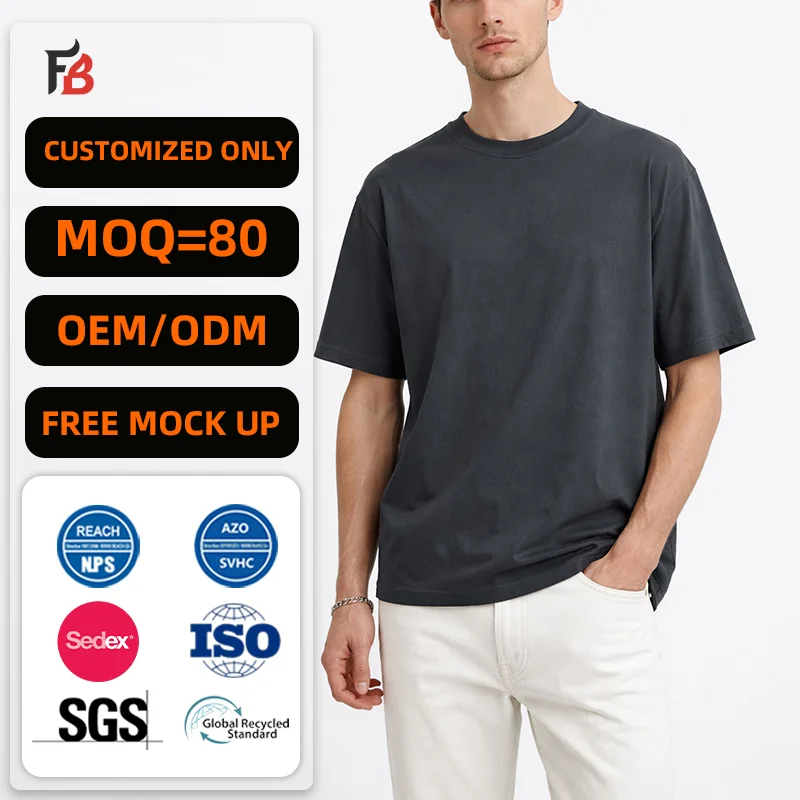
100% Cotton Fabric: Provides comfort and durability for long-term wear.
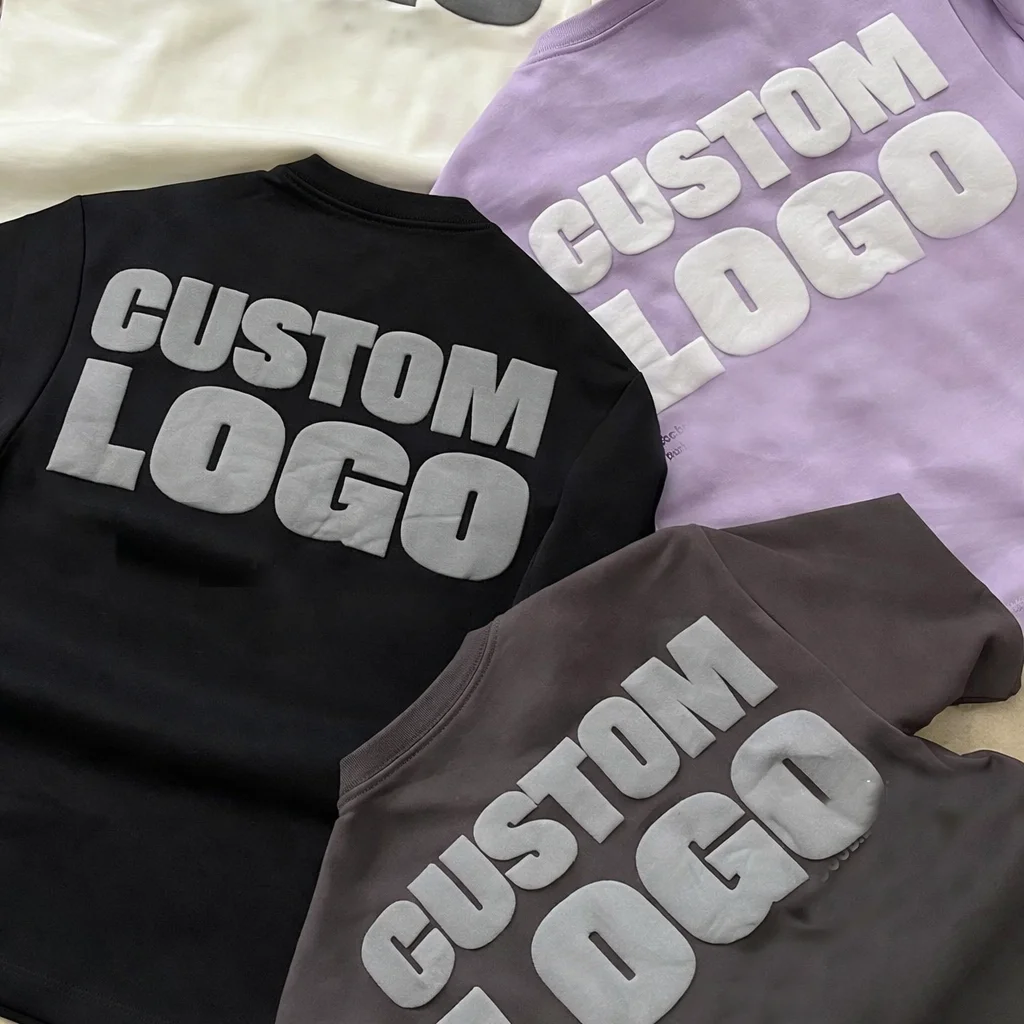
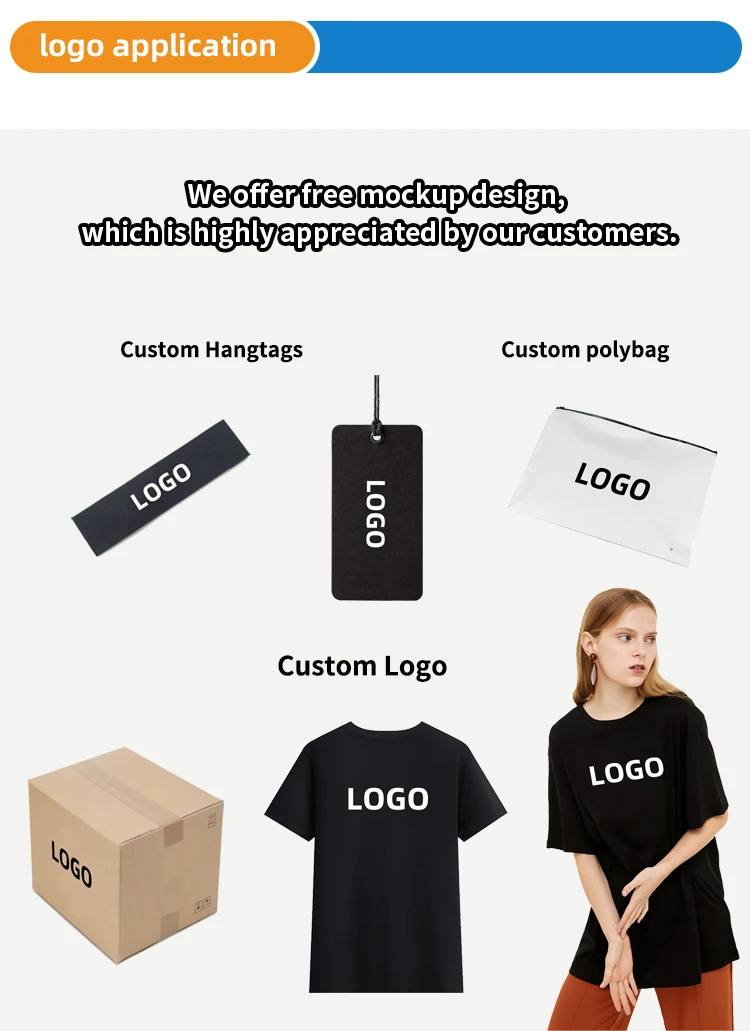
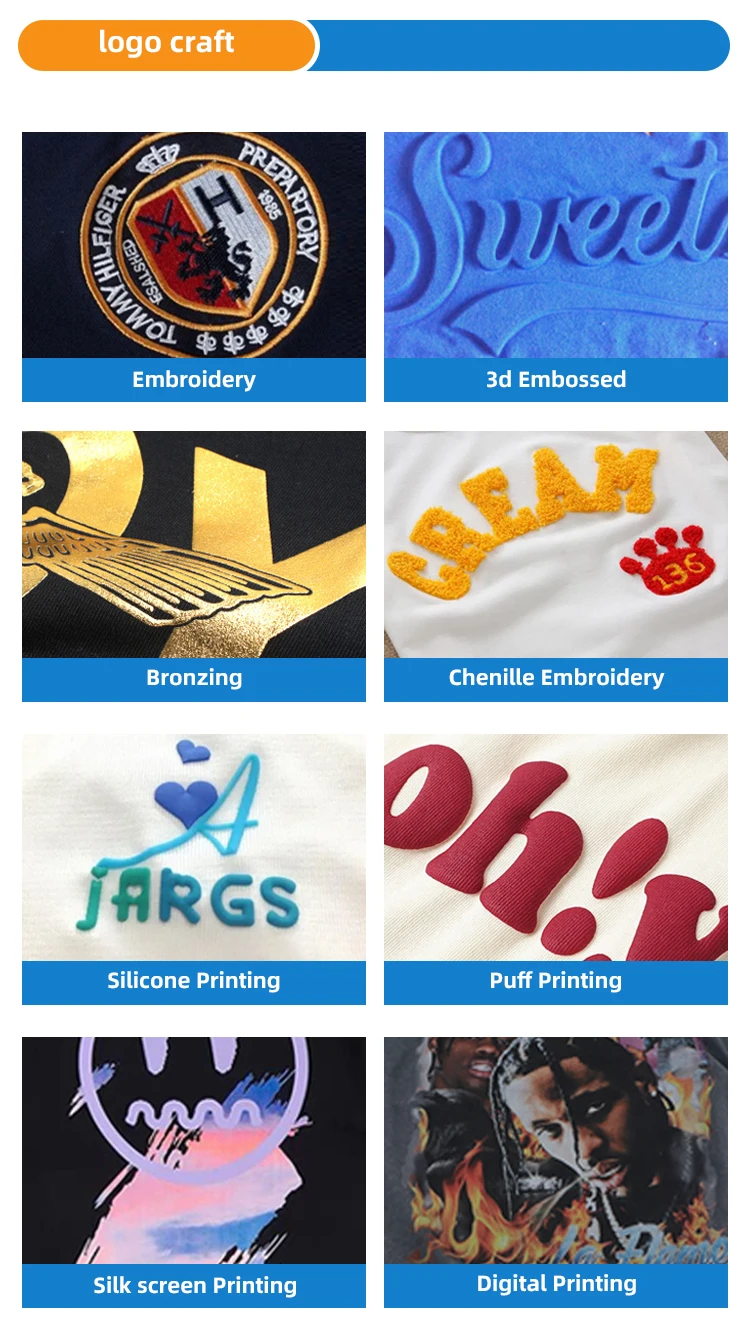
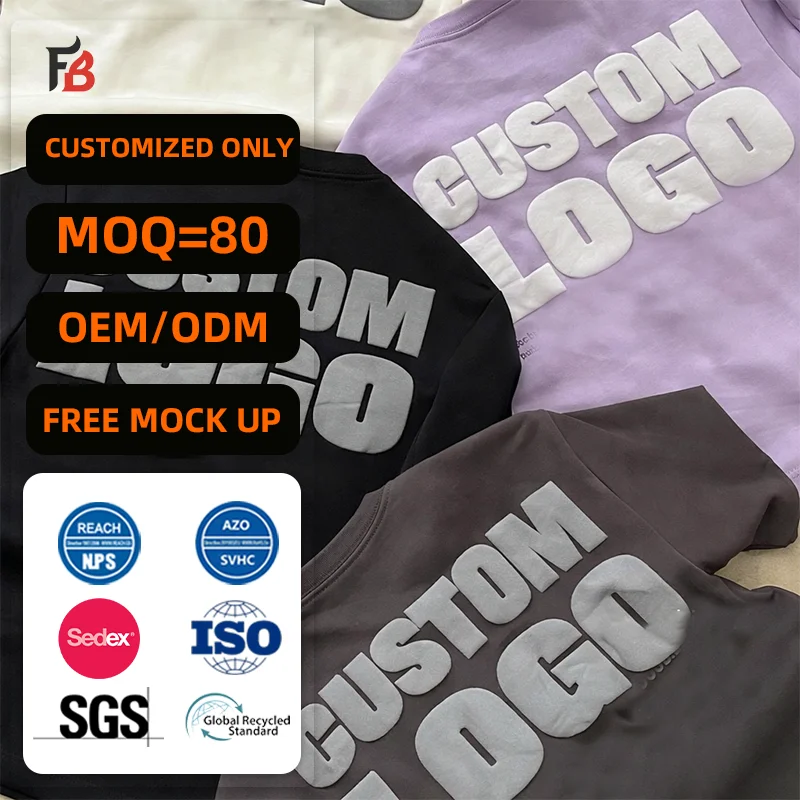
Custom Logo Printing: Personalize your t-shirt with a unique design.
Breathable Material: Keeps you cool and dry during active use.
Anti-Pilling Finish: Ensures the fabric remains smooth even after multiple washes.
Quick Dry Technology: Dries quickly, perfect for sports and casual wear.
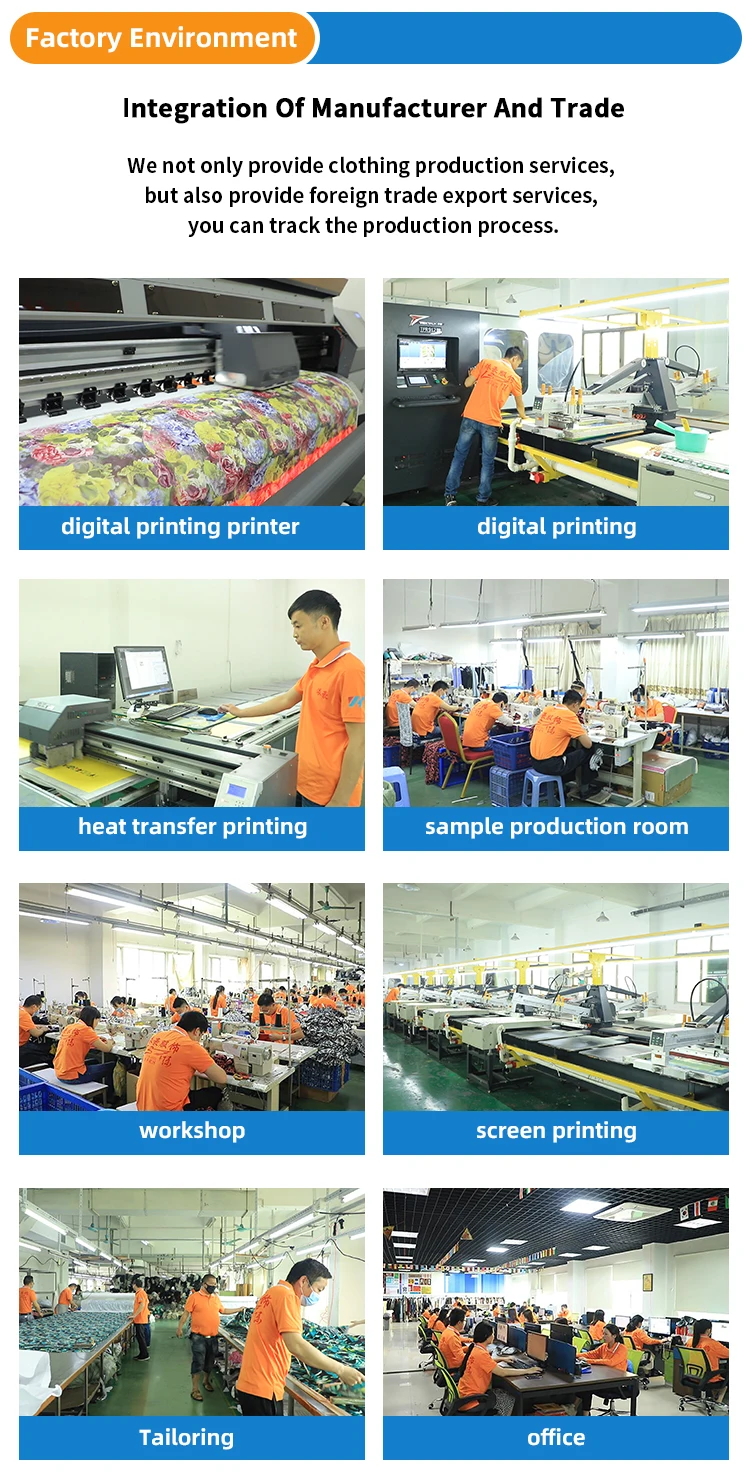
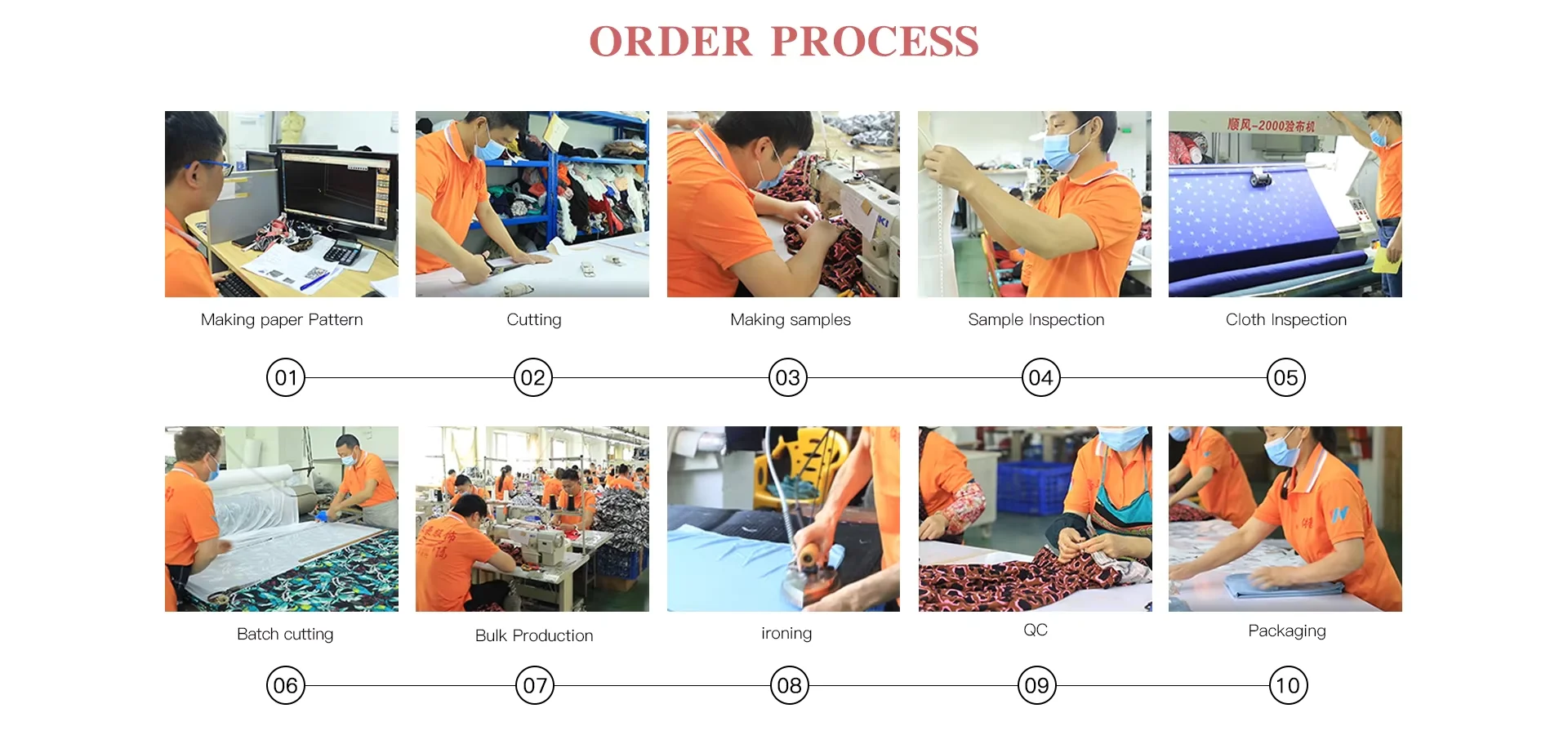
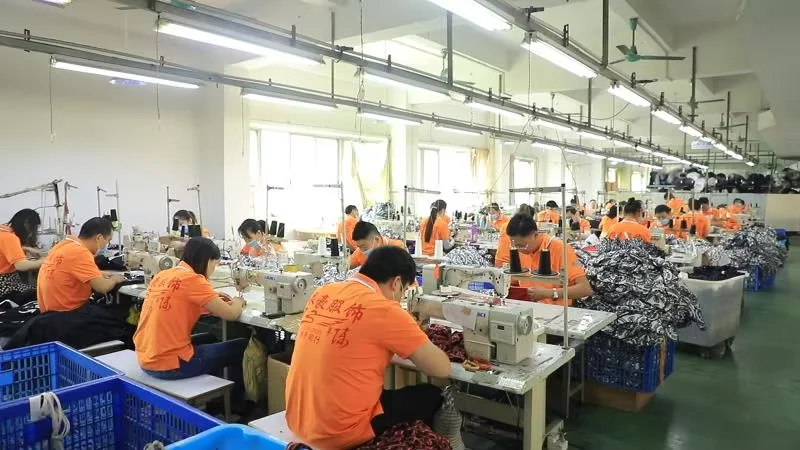
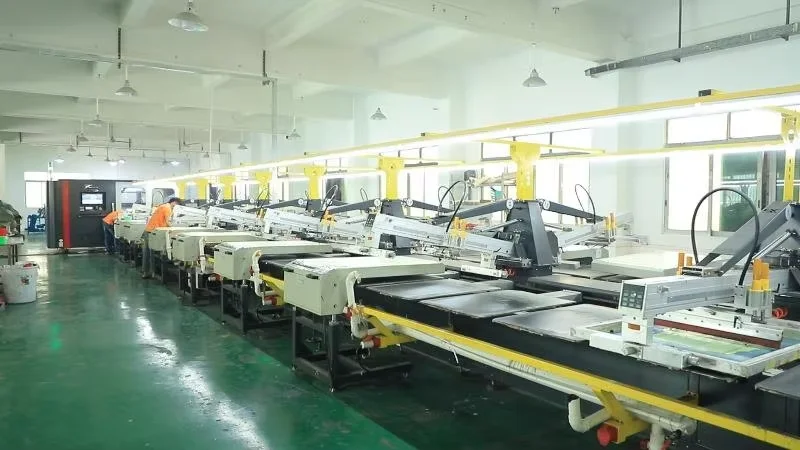
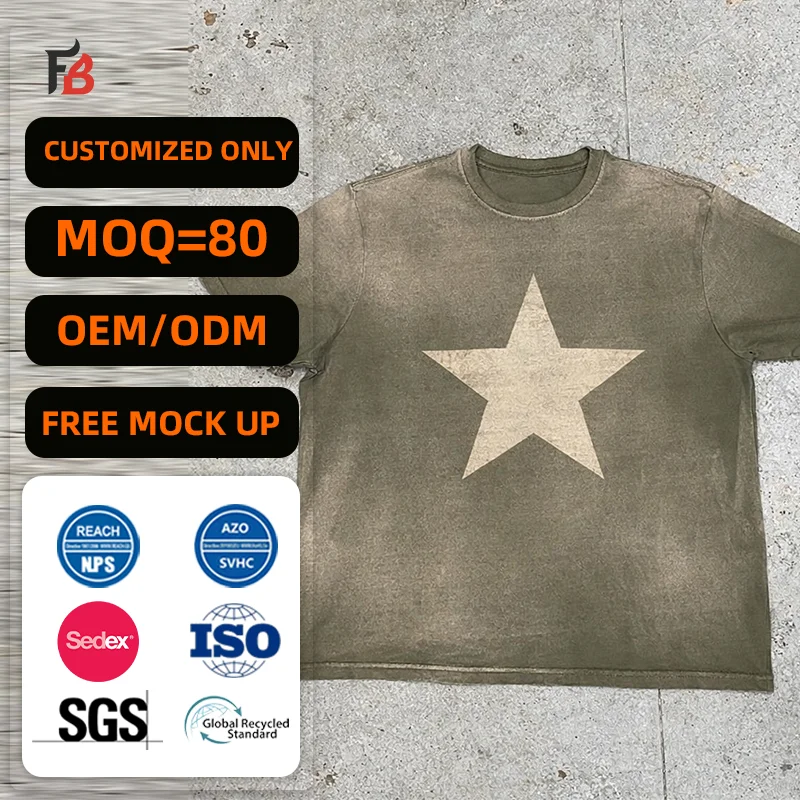
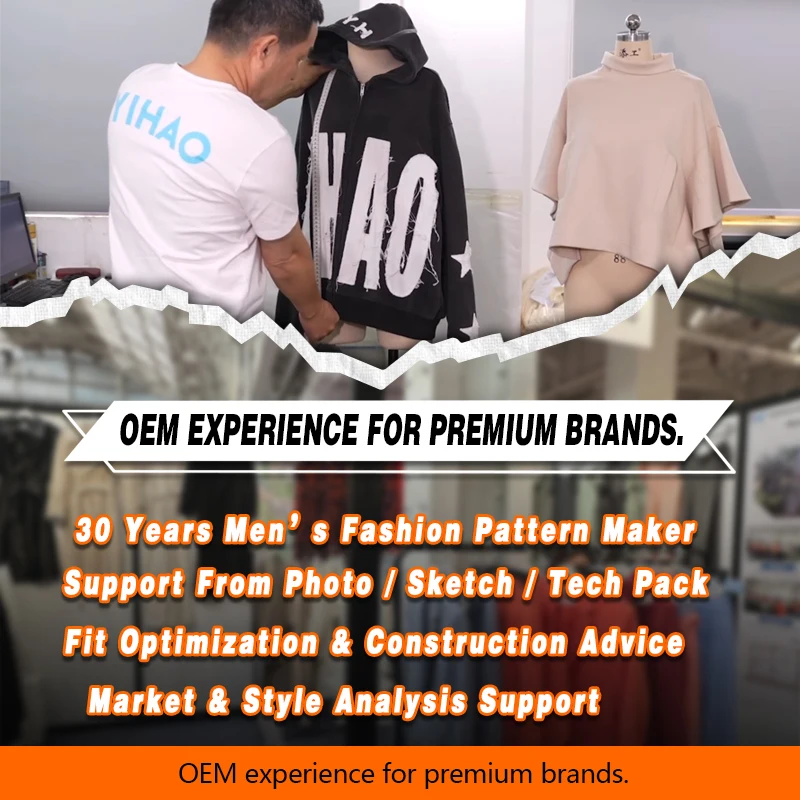
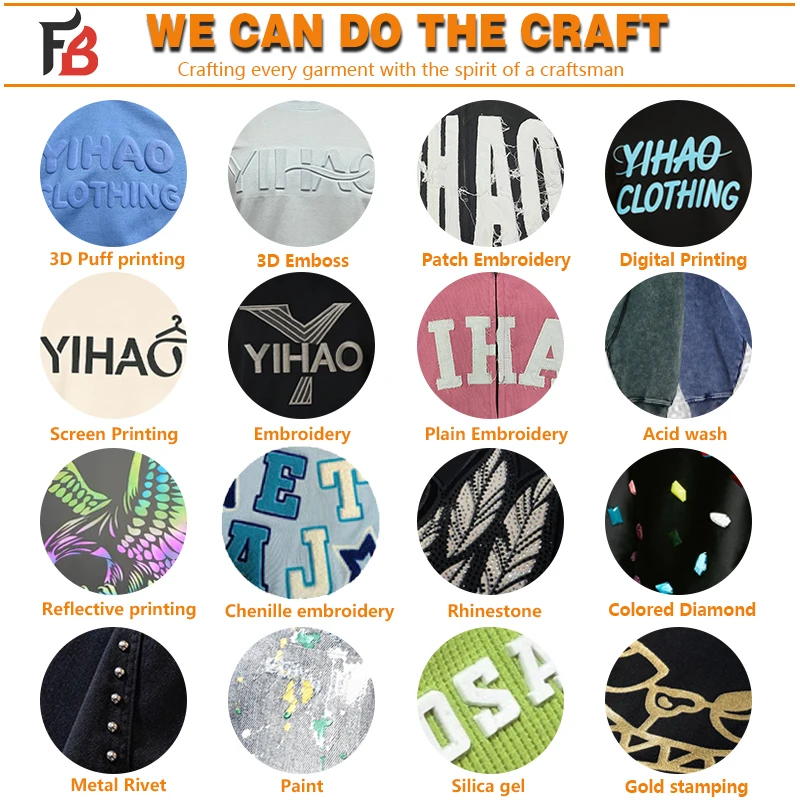
The Wholesale China Custom Street Wear Plane 220 230 240 Gsm Cotton Puff Print t Shirt for Men represents a sophisticated approach to contemporary casual apparel manufacturing, specifically engineered to meet the evolving demands of international B2B sourcing partners who prioritize both aesthetic innovation and functional reliability in their streetwear collections. This garment exemplifies the convergence of traditional cotton craftsmanship with modern printing technologies, delivering a product that seamlessly bridges the gap between urban fashion sensibilities and commercial viability for distributors, retailers, and private label brands operating across diverse global markets. The strategic selection of cotton fabric weights ranging from medium to heavy densities ensures exceptional versatility in seasonal applications while maintaining the structural integrity essential for repeated wear and washing cycles that define quality streetwear standards. Cotton puff printing technology enhances the visual depth and tactile experience of graphic elements, creating raised textures that distinguish premium streetwear from conventional printed garments through both visual impact and dimensional surface characteristics that appeal to fashion-conscious consumers seeking authentic urban aesthetic expressions. Manufacturing excellence in this category requires comprehensive understanding of fiber behavior, printing chemistry, and garment construction methodologies that collectively contribute to consistent quality outcomes across large-scale production runs typical of wholesale operations. The airplane motif incorporated into the design framework reflects contemporary streetwear's fascination with travel, freedom, and aspirational lifestyle themes that resonate particularly well with younger demographics while maintaining sufficient versatility for broader market appeal across various age segments and cultural preferences. Cotton selection for this garment category prioritizes fiber length, tensile strength, and dye receptivity characteristics that ensure both immediate visual appeal and long-term performance under typical usage conditions, supporting the reputation requirements that define successful streetwear brands in competitive retail environments. Surface treatment considerations extend beyond basic printing to encompass pre-treatment processes, color fastness optimization, and finishing techniques that protect both the base fabric and applied graphics from premature degradation during normal wear and care cycles, thereby supporting customer satisfaction metrics that drive repeat business relationships. Customization capabilities encompass graphic adaptation, color palette modification, sizing specification adjustment, and label integration services that enable B2B partners to develop cohesive brand identities while leveraging established manufacturing infrastructure and quality control systems that minimize development risks and timeline uncertainties. The streetwear category demands particular attention to fit characteristics that balance contemporary styling preferences with practical comfort requirements, necessitating pattern development expertise that accommodates diverse body types while maintaining the relaxed aesthetic that defines authentic street fashion sensibilities across different cultural markets. International sourcing partnerships benefit significantly from working with manufacturers who demonstrate consistent quality delivery, responsive communication practices, and flexible production capabilities that can accommodate both standard wholesale requirements and specialized customization requests without compromising delivery reliability or product consistency standards. Export-oriented production facilities must maintain rigorous quality assurance protocols that address international shipping stresses, extended storage periods, and varying climate conditions that garments may encounter during distribution processes, ensuring that products reach end consumers in optimal condition regardless of logistical complexities involved in global supply chain operations. OEM collaboration opportunities in this product category enable fashion brands to leverage specialized manufacturing expertise while maintaining control over design direction, brand positioning, and market-specific adaptations that support successful product launches across different regional markets with varying consumer preferences and regulatory requirements. The integration of sustainable manufacturing practices becomes increasingly important for B2B partners seeking to align with environmentally conscious consumer trends while maintaining competitive pricing structures that support profitable retail operations in price-sensitive market segments where streetwear competes with fast fashion alternatives. Fabric weight variations within the specified range provide sourcing flexibility that accommodates different seasonal requirements, regional climate considerations, and target market preferences, enabling distributors to optimize inventory planning while maintaining consistent brand presentation across their product portfolios throughout various selling seasons. Advanced printing technologies employed in puff print applications require specialized equipment, technical expertise, and quality control measures that ensure consistent reproduction of complex graphic elements across large production quantities, supporting the scalability requirements that define successful wholesale partnerships in competitive streetwear markets. Garment construction methodologies must address stress point reinforcement, seam durability, and dimensional stability considerations that prevent premature wear patterns commonly associated with active lifestyle usage typical of streetwear target demographics, thereby protecting brand reputation and supporting customer loyalty development initiatives. Color management throughout the production process requires sophisticated understanding of dye chemistry, fabric interaction characteristics, and environmental variables that influence final color presentation, ensuring that delivered products accurately represent approved design specifications regardless of production batch variations or seasonal manufacturing schedule adjustments. The collaborative approach to custom streetwear development encompasses design consultation services, technical specification refinement, sample development procedures, and production optimization strategies that enable B2B partners to achieve their specific market objectives while benefiting from established manufacturing capabilities and quality assurance systems that minimize project risks and timeline uncertainties inherent in fashion product development cycles.