 EN
EN



White oversized tshirts remain a timeless wardrobe staple for both casual and contemporary fashion, yet one persistent challenge undermines their appeal: transparency. When fabric weight falls below acceptable thresholds, white oversized tshirts become see-through, exposing undergarments and compromising wearer confidence. The fabric weight, measured in grams per square meter (GSM), serves as the primary determinant of opacity in white oversized tshirts, with industry standards suggesting a minimum of 180 GSM for adequate coverage, though optimal performance typically begins at 200 GSM or higher. Understanding this critical specification empowers brands, designers, and consumers to make informed decisions that balance comfort, drape, and the essential opacity that white oversized tshirts demand.
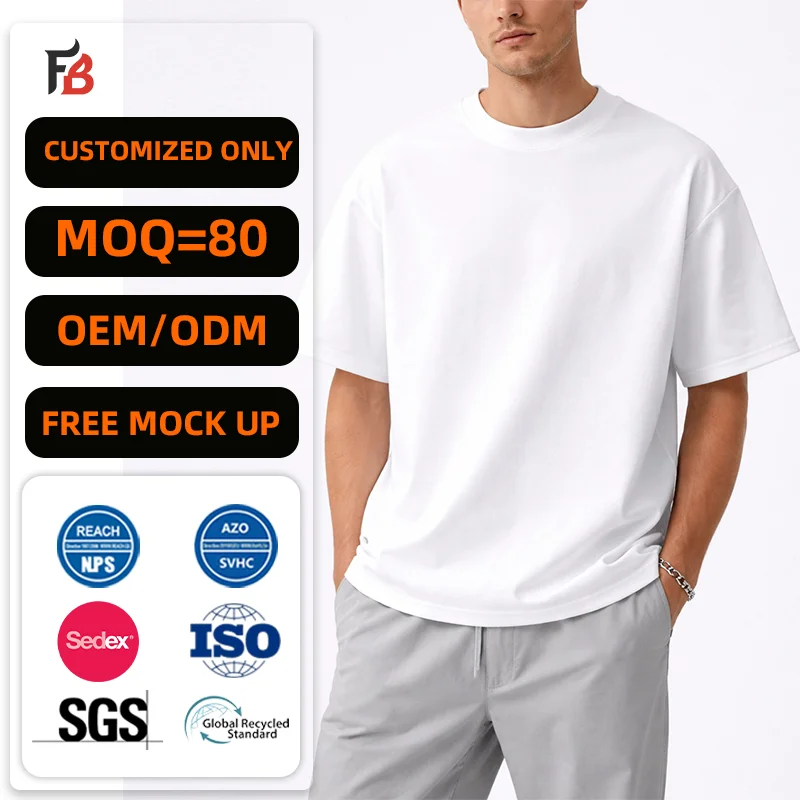
The see-through problem in white oversized tshirts intensifies due to the combination of light color and relaxed fit, which stretches fabric across the body in ways that highlight any transparency. Unlike darker colors that naturally obscure visibility, white amplifies every fiber gap, making fabric construction and weight non-negotiable factors. This article examines the precise fabric weight specifications that eliminate see-through issues in white oversized tshirts, explores the relationship between GSM values and practical wearability, and provides actionable guidance for selecting or manufacturing white oversized tshirts that maintain opacity without sacrificing the relaxed aesthetic that defines this popular garment style.
Understanding Fabric Weight and Its Role in White Oversized Tshirts
What GSM Means for White Oversized Tshirts
GSM, or grams per square meter, quantifies the density of fabric used in white oversized tshirts by measuring the mass of a one-square-meter fabric sample. This metric directly correlates with opacity, durability, and overall garment quality. For white oversized tshirts, GSM serves as the foundational specification that determines whether the fabric will remain opaque under normal lighting conditions. Lightweight white oversized tshirts typically range from 140 to 160 GSM, which often proves insufficient for preventing see-through issues, particularly when fabric stretches across the torso or when worn in bright environments. Mid-weight options between 180 and 200 GSM represent the threshold where most transparency concerns begin to resolve, though individual results vary based on fiber type and knit structure.
The relationship between GSM and fabric behavior in white oversized tshirts extends beyond simple opacity. Higher GSM values contribute to improved shape retention, reduced pilling, and enhanced longevity, making them particularly valuable for oversized silhouettes that experience stress across seams and shoulder areas. For white oversized tshirts intended for regular wear, the 200 to 220 GSM range offers an optimal balance between adequate weight for opacity and sufficient breathability for comfort. Premium white oversized tshirts often utilize fabric weights between 220 and 250 GSM, delivering exceptional opacity alongside a substantial hand feel that signals quality to discerning consumers. Understanding these GSM benchmarks enables accurate specification when sourcing or manufacturing white oversized tshirts that meet opacity standards.
Why White Fabric Amplifies Transparency Challenges
White oversized tshirts face unique transparency challenges compared to colored alternatives because white pigments and undyed fibers inherently transmit more light. The physics of light transmission through fabric explains why white oversized tshirts require higher fabric weights: white reflects visible light wavelengths rather than absorbing them, creating conditions where gaps between yarns become visible pathways for light penetration. This optical property means that white oversized tshirts manufactured at fabric weights acceptable for darker colors will typically appear semi-transparent, revealing skin tone, undergarment colors, and body contours that compromise the clean aesthetic consumers expect from this garment style.
The oversized fit characteristic of these garments compounds the transparency issue through fabric tension dynamics. When white oversized tshirts drape across the body, areas of stretch—particularly across the chest, shoulders, and upper back—experience yarn separation that increases light transmission. The relaxed silhouette that defines white oversized tshirts creates variable tension zones where fabric weight must compensate for stretching to maintain consistent opacity. This mechanical reality explains why fabric weight specifications for white oversized tshirts must exceed those for fitted or mid-toned alternatives, with the additional GSM providing the density necessary to prevent see-through conditions even when fabric extends across body curves.
The Relationship Between Fiber Type and Required Weight
Different fiber compositions in white oversized tshirts demand varying GSM specifications to achieve equivalent opacity. Pure cotton white oversized tshirts typically require higher fabric weights, with 200 GSM serving as the practical minimum for acceptable opacity in quality garments. Cotton fibers create relatively open yarn structures that transmit light more readily than synthetic alternatives, necessitating greater fabric density to achieve the same coverage. The natural characteristics of cotton—its breathability, softness, and cultural associations with quality—make it the preferred choice for white oversized tshirts, but these benefits come with the requirement for adequate weight to prevent transparency.
Blended fabrics in white oversized tshirts can achieve opacity at slightly lower GSM values through strategic fiber combinations. Cotton-polyester blends, commonly used in contemporary white oversized tshirts, leverage polyester's smoother, more compact yarn structure to reduce light transmission, potentially achieving acceptable opacity at 180 to 190 GSM depending on blend ratios. However, these synthetic components alter the hand feel and moisture management properties that many consumers value in white oversized tshirts, creating trade-offs between weight efficiency and fabric performance. High-quality white oversized tshirts often maintain pure cotton or cotton-rich compositions despite the higher GSM requirements, prioritizing the superior comfort and premium perception that natural fibers deliver.
Minimum Fabric Weight Standards for Opacity in White Oversized Tshirts
The 180 GSM Threshold for Basic Opacity
Industry experience with white oversized tshirts establishes 180 GSM as the approximate minimum fabric weight where basic opacity becomes achievable under normal indoor lighting conditions. White oversized tshirts manufactured at this specification provide adequate coverage for casual wear environments, though they may still exhibit minor transparency under direct sunlight or bright retail lighting. This weight category suits budget-conscious applications where cost constraints limit fabric investment, yet it represents the lower boundary for commercially acceptable white oversized tshirts. Manufacturers targeting value segments often specify 180 to 185 GSM for their white oversized tshirts, accepting marginal transparency risks in exchange for material cost savings and lighter weight that appeals to warm-climate markets.
The limitations of 180 GSM white oversized tshirts become apparent in quality-sensitive contexts. At this weight, fabric consistency variations during manufacturing can create opacity differences across production runs, with some garments performing acceptably while others exhibit noticeable see-through characteristics. The minimal margin above transparency thresholds means that normal wear-related thinning, washing-induced fiber relaxation, and mechanical stress can progressively reduce opacity in 180 GSM white oversized tshirts over their lifecycle. For brands prioritizing consistent customer satisfaction and reduced return rates due to transparency complaints, specifying fabric weights above this threshold delivers more reliable performance across the white oversized tshirts product line.
The 200 GSM Standard for Reliable Performance
The 200 GSM specification represents the industry consensus standard for white oversized tshirts where see-through issues reliably disappear across diverse lighting conditions and body types. White oversized tshirts manufactured at 200 GSM provide consistent opacity that withstands bright outdoor environments, camera flash photography, and the variable tension created by oversized draping across different physiques. This fabric weight delivers the opacity security that eliminates customer anxiety about transparency while maintaining the soft, comfortable hand feel expected in quality white oversized tshirts. The 200 GSM threshold offers manufacturers a specification that balances material costs against performance reliability, making it the most common target for mainstream white oversized tshirts in competitive markets.
Practical testing demonstrates that 200 GSM white oversized tshirts maintain opacity even after multiple wash cycles that typically reduce fabric weight by two to three percent through fiber relaxation and minor shrinkage. This durability margin ensures that white oversized tshirts specified at 200 GSM continue performing throughout their intended service life rather than developing transparency issues after initial wearing and laundering. For brands developing white oversized tshirts collections, the 200 GSM specification provides a defensible baseline that meets customer expectations for opacity while supporting reasonable pricing structures. This weight category accommodates the full range of cotton qualities from combed to ring-spun varieties, allowing manufacturers to differentiate white oversized tshirts through fiber refinement rather than compromising on the fundamental weight necessary for opacity.
Premium Specifications Above 220 GSM
White oversized tshirts manufactured at 220 GSM and above enter the premium category where opacity concerns completely disappear, replaced by considerations of hand feel, drape quality, and seasonal appropriateness. These heavyweight white oversized tshirts provide absolute confidence in opacity while delivering the substantial tactile quality that signals premium positioning to consumers. The additional fabric density in 220+ GSM white oversized tshirts creates a more structured drape that maintains the oversized silhouette without appearing limp or formless, an aesthetic advantage that complements the opacity benefits. Premium fashion brands often specify 230 to 250 GSM for their white oversized tshirts, leveraging the superior fabric weight to differentiate their products in crowded markets where basic opacity has become a baseline expectation.
The trade-offs associated with heavyweight white oversized tshirts warrant consideration despite their opacity advantages. Fabric weights above 220 GSM significantly increase material costs, potentially limiting market accessibility for price-sensitive consumer segments. The additional weight also impacts comfort in warm climates, making heavyweight white oversized tshirts less suitable for summer-focused collections or tropical markets where breathability becomes paramount. However, for fall, winter, and spring seasons, or for layering-focused styling approaches, heavyweight white oversized tshirts deliver unmatched opacity combined with the substantial quality perception that justifies premium pricing. Brands developing tiered product lines often maintain both standard-weight and heavyweight white oversized tshirts to serve different seasonal needs and market segments.
Knit Structure and Construction Factors Beyond Weight
How Yarn Count Influences Opacity in White Oversized Tshirts
The yarn count used in constructing white oversized tshirts significantly affects opacity independent of overall fabric weight, with finer yarns generally creating denser fabric structures that reduce light transmission. White oversized tshirts knitted from higher yarn counts—such as 30s combed cotton or finer—produce tighter, more compact fabric surfaces that prevent see-through issues more effectively than lower yarn counts at equivalent GSM specifications. The relationship between yarn fineness and opacity stems from the increased number of yarn intersections per square centimeter in fabrics constructed from finer threads, creating more opportunities for light blockage even when overall fabric weight remains constant.
Manufacturers of quality white oversized tshirts balance yarn count selection against cost considerations, as finer yarns require more processing and generate higher material costs per garment. Standard white oversized tshirts typically utilize 20s to 24s yarn counts that provide acceptable opacity at 200 GSM specifications while maintaining economical production costs. Premium white oversized tshirts upgrade to 30s or even 40s yarn counts, achieving superior opacity and smoother fabric surfaces that enhance both visual appeal and tactile quality. For brands concerned about see-through issues in their white oversized tshirts, specifying higher yarn counts alongside appropriate GSM values creates a dual defense against transparency that delivers consistent results across production runs.
Single Jersey Versus Interlock Knit Constructions
The knit construction method employed in white oversized tshirts fundamentally alters opacity characteristics even when fabric weight remains identical. Standard white oversized tshirts utilize single jersey knit construction, the most common and economical knitting method that creates fabric with distinct front and back faces. Single jersey white oversized tshirts require careful attention to fabric weight specifications because this construction inherently allows more light transmission than alternative methods. The single-layer yarn interlocking in jersey knits creates a relatively open structure where gaps between stitches can become transparency pathways, particularly problematic in white oversized tshirts where light color amplifies these visibility channels.
Interlock knit construction offers a superior alternative for white oversized tshirts where absolute opacity is non-negotiable. Interlock knitting creates a double-layered fabric structure where two separate yarn systems interlock, effectively doubling the barrier against light transmission. White oversized tshirts manufactured using interlock construction can achieve complete opacity at lower GSM values than single jersey equivalents, potentially performing well at 160 to 180 GSM where single jersey would remain semi-transparent. However, interlock construction increases manufacturing complexity and material consumption, raising production costs that limit its application in price-sensitive white oversized tshirts segments. Premium brands sometimes employ interlock knitting for their white oversized tshirts to deliver superior opacity while maintaining lighter weight for improved summer wearability.
The Impact of Fabric Finishing on Perceived Opacity
Post-knitting finishing processes applied to white oversized tshirts significantly influence final opacity beyond the contributions of raw fabric weight and construction. Compacting or sanforizing treatments densify the fabric structure in white oversized tshirts by mechanically compressing yarns together, reducing inter-yarn spacing that could otherwise allow light transmission. These finishing steps can improve opacity by five to ten percent relative to unfinished fabric at the same GSM specification, providing a valuable enhancement for white oversized tshirts where transparency margins are tight. Quality manufacturers incorporate these finishing processes as standard practice for white oversized tshirts, recognizing that fabric performance depends on comprehensive processing rather than raw material selection alone.
Chemical finishing treatments, including whitening agents and optical brighteners commonly applied to white oversized tshirts, paradoxically can reduce opacity by making fabric surfaces more reflective and translucent. Manufacturers must balance the desire for bright, clean white appearance against potential transparency increases from aggressive brightening treatments. The most sophisticated producers of white oversized tshirts calibrate their finishing chemistry to achieve desired whiteness levels without compromising the fabric density that prevents see-through issues. This technical expertise separates premium white oversized tshirts from economy alternatives, where finishing optimization may receive insufficient attention during production specification development.
Practical Selection Guidance for Different Use Contexts
Choosing Fabric Weight for Casualwear White Oversized Tshirts
Casualwear applications dominate the white oversized tshirts market, creating demand for fabric specifications that balance opacity, comfort, and affordability. For everyday wear white oversized tshirts, the 200 GSM specification provides optimal performance across the widest range of consumer needs and environmental conditions. This weight category ensures that white oversized tshirts remain opaque during normal activities while maintaining sufficient breathability for year-round wear in temperate climates. Brands developing casualwear white oversized tshirts collections should establish 200 GSM as their baseline specification, potentially offering heavier 220 GSM variants for customers who prioritize absolute opacity or prefer more substantial fabric hand feel.
Seasonal considerations influence appropriate fabric weight selection for casualwear white oversized tshirts, with lighter weights acceptable for dedicated summer products where layering is uncommon. Summer-focused white oversized tshirts can potentially utilize 180 to 190 GSM specifications if target customers understand the minor transparency trade-offs in exchange for improved cooling performance. However, most casualwear white oversized tshirts benefit from maintaining consistent 200 GSM specifications across seasonal collections, simplifying inventory management while delivering reliable opacity that eliminates customer service issues related to see-through complaints. The modest cost difference between 180 and 200 GSM rarely justifies the risk of transparency problems in casualwear white oversized tshirts where customer satisfaction directly impacts repeat purchase rates.
Specifications for Fashion and Streetwear Applications
Fashion-forward and streetwear brands utilizing white oversized tshirts as statement pieces often specify heavier fabric weights that communicate quality through tactile substance. These applications typically employ 220 to 240 GSM fabrics that eliminate any possibility of transparency while providing the structured drape that maintains intentional oversized silhouettes. Fashion white oversized tshirts benefit from the premium perception that heavyweight fabrics convey, with the substantial hand feel reinforcing elevated price points that streetwear consumers expect from collectible pieces. The complete opacity confidence at these weights allows fashion brands to focus marketing on design elements, fit innovation, and brand identity rather than addressing basic garment functionality concerns.
The investment in heavyweight fabrics for fashion white oversized tshirts aligns with the longer lifecycle expectations in this market segment, where garments become wardrobe staples rather than disposable seasonal items. Premium white oversized tshirts at 230+ GSM maintain their opacity and structural integrity through extended wear periods and numerous wash cycles, justifying their higher acquisition costs through superior durability. Streetwear collaborations and limited-edition white oversized tshirts particularly benefit from heavyweight specifications that differentiate these special releases from standard market offerings, creating tangible quality distinctions that collectors value. For brands operating in fashion and streetwear contexts, fabric weight becomes a strategic differentiation tool beyond its functional role in preventing see-through issues.
Corporate and Promotional White Oversized Tshirts Requirements
Corporate apparel programs and promotional campaigns utilizing white oversized tshirts face unique opacity requirements because garments often experience high-visibility wearing contexts including photography, video production, and public events. These applications demand absolute transparency confidence, making 200 GSM the minimum acceptable specification with 220 GSM representing the preferred standard for corporate white oversized tshirts. The reputational risks associated with see-through garments in professional contexts far exceed the incremental costs of specifying adequate fabric weight, making conservative weight selection prudent for corporate white oversized tshirts programs.
Promotional white oversized tshirts distributed as marketing merchandise require careful weight specification because recipients represent brand ambassadors whose garment experiences influence brand perception. Under-specifying fabric weight in promotional white oversized tshirts creates negative brand associations when transparency issues emerge, potentially undermining the positive impression that promotional apparel aims to generate. Corporate buyers sourcing white oversized tshirts should explicitly specify minimum 200 GSM requirements in procurement documents, ideally requesting physical samples at specified weights to verify opacity before approving production runs. The volume purchasing typical in corporate and promotional contexts provides leverage to demand appropriate fabric weights without disproportionate cost penalties, making proper specification both feasible and essential for program success.
FAQ
What is the minimum GSM for white oversized tshirts to avoid transparency?
The minimum fabric weight for white oversized tshirts to reliably prevent see-through issues is 180 GSM under normal indoor lighting, though 200 GSM represents the industry standard for consistent opacity across all wearing conditions. White oversized tshirts below 180 GSM will typically exhibit noticeable transparency, particularly when stretched across the body or viewed in bright environments. For commercial applications where customer satisfaction is paramount, specifying 200 GSM or higher for white oversized tshirts eliminates opacity concerns while maintaining comfortable wearability.
Does fabric weight affect the comfort of white oversized tshirts?
Fabric weight directly influences comfort characteristics in white oversized tshirts, with heavier weights providing more substantial feel and better shape retention while lighter weights offer improved breathability in warm conditions. The 200 to 220 GSM range for white oversized tshirts balances opacity requirements against comfort considerations, delivering adequate weight to prevent transparency without creating excessive thermal burden during normal wear. Heavyweight white oversized tshirts above 230 GSM may feel less comfortable in summer heat but provide superior comfort in cooler seasons and layering applications where the additional fabric weight enhances garment stability.
Can white oversized tshirts made from blended fabrics use lower GSM than cotton?
White oversized tshirts manufactured from cotton-polyester blends can potentially achieve acceptable opacity at slightly lower GSM values than pure cotton alternatives, with quality blends performing adequately at 180 to 190 GSM compared to the 200 GSM typically required for cotton white oversized tshirts. However, the GSM reduction in blended white oversized tshirts rarely exceeds ten to fifteen percent while maintaining equivalent opacity, and many quality-conscious brands maintain consistent 200 GSM specifications regardless of fiber composition to ensure uniform performance. The decision to reduce fabric weight in blended white oversized tshirts should follow physical opacity testing rather than assumptions about synthetic fiber performance.
How does washing affect the opacity of white oversized tshirts over time?
Repeated washing gradually reduces the effective fabric weight of white oversized tshirts through fiber relaxation, minor shrinkage, and mechanical wear, potentially decreasing opacity over the garment lifecycle. White oversized tshirts specified at minimum acceptable weights like 180 GSM may develop transparency issues after ten to twenty wash cycles, while white oversized tshirts manufactured at 200 GSM or higher maintain adequate opacity throughout their expected service life. This durability consideration supports specifying conservative fabric weights for white oversized tshirts, with the initial opacity margin accommodating the inevitable degradation that occurs with normal laundering and wear.