 EN
EN


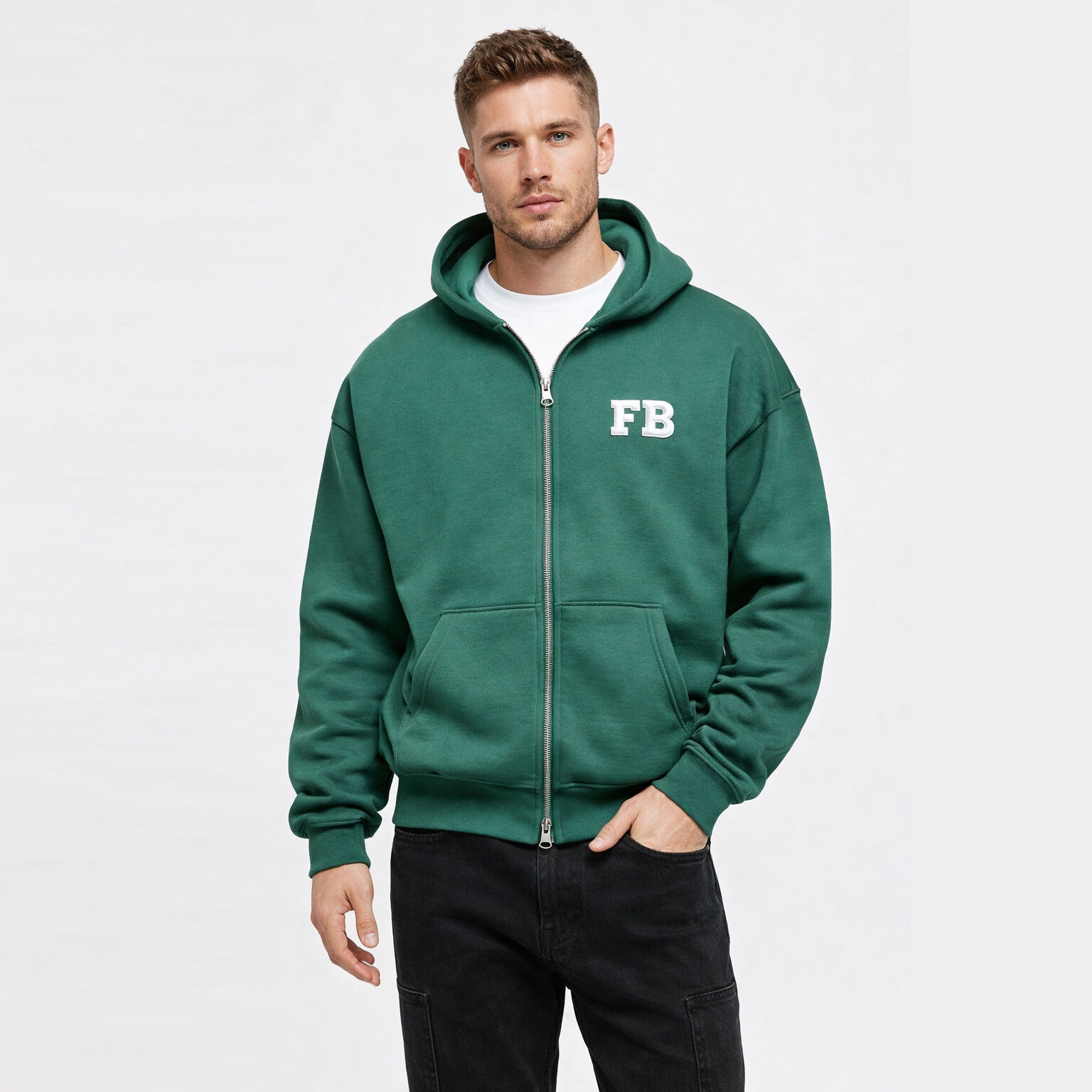
Choosing clothing that fits your body proportions properly can transform your entire appearance and comfort level throughout the day. When selecting hoodies, sweatshirts, or any casual upper garments, two critical measurements often overlooked are garment length and sleeve drop. These dimensions directly affect how the garment drapes on your frame, whether it creates a balanced silhouette, and how comfortably you can move. Understanding the relationship between your height and these specific measurements ensures that your clothing enhances rather than detracts from your natural proportions, making you look well-dressed without appearing overwhelmed by fabric or awkwardly confined.
The challenge many people face stems from standardized sizing charts that rarely account for individual body proportions and personal style preferences. A garment with excessive length can make shorter individuals appear swallowed by fabric, while insufficient length on taller frames creates an awkward, ill-fitting appearance. Similarly, sleeve drop—the measurement from the shoulder seam to where the sleeve actually sits on your arm—determines whether a garment achieves the intended relaxed, oversized look or simply appears poorly tailored. This guide will walk you through the precise considerations needed to match garment length and sleeve drop measurements to your specific height, body type, and the aesthetic you want to achieve, ensuring every purchase fits your frame perfectly.
Understanding Garment Length Proportions Based on Height
Why Body Length Matters More Than Just Height
When determining appropriate garment length, your overall height provides only part of the equation. Torso length relative to leg length significantly influences how a hoodie or sweatshirt will appear on your body. Two individuals of identical height may have drastically different torso proportions, meaning the same garment length will sit differently on each person. Someone with a longer torso and shorter legs requires additional garment length to achieve proper coverage, while someone with a shorter torso and longer legs might find the same length overwhelming. Measuring from the base of your neck to your natural waistline gives you your torso length, which becomes the foundation for selecting appropriate garment dimensions.
Most standard hoodies are designed with a hip-length cut that falls somewhere between the hip bone and mid-thigh on average-height wearers. For individuals between five feet four inches and five feet eight inches tall, standard length garments typically measure between twenty-six and twenty-nine inches from the highest point of the shoulder to the hem. This range usually ensures adequate coverage without excessive fabric bunching. However, personal preference plays an equally important role—some prefer a cropped look that ends at the natural waist, while others favor extended length that provides additional coverage and a more dramatic silhouette.
Height-Specific Length Guidelines for Optimal Fit
For individuals under five feet four inches, selecting garments with a body length between twenty-four and twenty-seven inches prevents the overwhelmed appearance that excessive fabric creates. Petite frames benefit from slightly shorter cuts that maintain proportion without sacrificing the relaxed aesthetic many casual garments offer. When trying garments, ensure the hem falls no lower than mid-hip to avoid creating a disproportionate silhouette. Cropped or regular-length options typically work better than extended or longline styles, which can visually shorten the legs and create an unbalanced appearance.
Those standing between five feet four inches and five feet ten inches represent the average height range for which most standard sizing is designed. Garment lengths between twenty-seven and thirty inches typically provide appropriate coverage and proportion. At this height range, you have the flexibility to experiment with various length options depending on your personal style preferences and the specific look you want to achieve. Standard-length garments should fall comfortably at the hip, while extended-length options can reach the upper thigh without appearing excessive.
Individuals taller than five feet ten inches often struggle with standard garment lengths that ride up or fail to provide adequate torso coverage. For these heights, seeking garments with body lengths exceeding thirty inches becomes essential. Many brands offer tall-specific sizing that adds two to four inches to the standard body length without altering other proportions. When purchasing oversized or sleeve drop styles, taller individuals should verify that the extended length is intentional design rather than simply inadequate sizing for their frame.
Decoding Sleeve Drop Measurements and Shoulder Fit
What Sleeve Drop Actually Measures
Sleeve drop refers to the distance between where the shoulder seam is positioned and where your natural shoulder joint sits. In traditionally tailored garments, the shoulder seam aligns precisely with your natural shoulder point, creating a structured, fitted appearance. Drop shoulder designs intentionally position the shoulder seam lower on the upper arm, creating a relaxed, casual aesthetic that has become increasingly popular in contemporary streetwear and casual clothing. The measurement of sleeve drop indicates how many inches below your natural shoulder the seam falls, directly affecting both the visual appearance and the functional comfort of the garment.
A minimal sleeve drop of one to two inches creates a slightly relaxed fit while maintaining a relatively structured appearance. This subtle drop works well for individuals seeking comfort without the extremely oversized look. A moderate sleeve drop of three to five inches produces the classic relaxed fit seen in many casual hoodies and sweatshirts, providing freedom of movement while creating a laid-back aesthetic. Extreme sleeve drop measurements exceeding five inches venture into oversized territory, creating a deliberately boxy, slouchy silhouette that makes a strong style statement but may not suit all body types or preferences.
Matching Sleeve Drop to Your Shoulder Width and Height
Your natural shoulder width significantly influences which sleeve drop measurements will appear proportional on your frame. Individuals with narrower shoulders can typically accommodate more dramatic sleeve drop without appearing overwhelmed, as the extended seam placement creates width and balance. Those with broader shoulders should exercise more caution with extreme sleeve drop, as excessive measurement can create a disproportionately wide upper body appearance that lacks definition.
Height also plays a crucial role in determining appropriate sleeve drop. Shorter individuals should generally opt for minimal to moderate sleeve drop measurements, as excessive drop can make the entire garment appear too large and create the impression of wearing borrowed clothing. For heights under five feet six inches, sleeve drop measurements between two and four inches typically maintain proportion while still achieving the desired relaxed aesthetic. The key is ensuring that the sleeve drop enhances rather than overwhelms your frame.
Taller individuals have more flexibility with sleeve drop measurements, as their greater overall stature can balance more dramatic proportions. Heights above six feet can comfortably wear sleeve drop measurements between four and seven inches, depending on personal style preferences and the specific garment design. However, even tall wearers should ensure that excessive sleeve drop doesn't compromise functionality—sleeves should still allow comfortable arm movement without constant adjustment.
Coordinating Length and Sleeve Drop for Balanced Proportions
The Relationship Between Body Length and Sleeve Placement
Garment length and sleeve drop work together to create your overall silhouette, and understanding their relationship helps you select pieces that appear intentionally styled rather than accidentally oversized. When a garment features significant sleeve drop, a slightly extended body length often creates better visual balance. The additional body length prevents the garment from appearing top-heavy or awkwardly boxy at the torso while being cropped at the waist. This coordination between measurements creates a cohesive oversized aesthetic that appears deliberate.
Conversely, garments with minimal sleeve drop typically pair better with standard or slightly shorter body lengths. This combination maintains a more structured appearance while still offering the comfort of casual wear. The aligned proportions create a clean silhouette that works well in both casual and smart-casual contexts. Understanding this relationship helps you predict how a garment will look based on its measurement specifications before you try it on.
Creating Visual Balance Through Strategic Selection
For petite frames seeking oversized styles, pairing moderate sleeve drop with controlled body length prevents the garment from overwhelming your proportions. A sleeve drop of three to four inches combined with a body length that ends at the hip creates the relaxed aesthetic without excess fabric. This balance allows you to embrace current trends while maintaining proportions that complement rather than hide your frame.
Average-height individuals have the most flexibility in coordinating these measurements. You can experiment with various combinations—minimal sleeve drop with cropped length for a fitted casual look, or significant sleeve drop with extended length for a dramatic oversized aesthetic. The key is ensuring consistency in the level of relaxation across measurements. Mixing minimal sleeve drop with very long body length, or extreme sleeve drop with cropped length, often creates visual confusion rather than intentional style.
Taller frames should prioritize adequate body length first, then select sleeve drop that complements that length. Extended body length ensures proper coverage, while coordinated sleeve drop maintains the intended garment style. A common mistake for tall individuals is accepting adequate length while overlooking sleeve drop that doesn't match, resulting in garments that fit in one dimension but appear off in another. Seeking styles specifically designed with tall proportions ensures both measurements receive appropriate adjustment.
Practical Fitting Techniques and Assessment Methods
How to Measure Your Body for Accurate Comparison
Before purchasing any garment, taking accurate body measurements provides the foundation for confident selection. To measure your ideal garment length, stand straight and have someone measure from the highest point of your shoulder—where a shoulder seam would naturally sit—down to where you want the garment to end. Most people prefer hoodies to fall somewhere between the hip bone and mid-thigh, but personal preference varies. Record this measurement and compare it against garment specifications provided by manufacturers.
Measuring for sleeve drop requires identifying your natural shoulder point—the bony prominence where your shoulder and arm connect. From this point, measure downward along your arm to determine how much sleeve drop you can comfortably accommodate while maintaining your desired aesthetic. Remember that sleeve drop affects not just appearance but also arm mobility, so consider both visual and functional aspects when determining your preferred range.
Evaluating Fit When Trying Garments
When trying on a garment, assess body length first by noting where the hem falls relative to your body landmarks. The hem should align with your predetermined preference, whether that's the natural waist, hip bone, or mid-thigh. If the length falls significantly short or long of your target, moving to a different size or style becomes necessary regardless of how other measurements fit.
Evaluating sleeve drop requires examining where the shoulder seam sits relative to your natural shoulder point. The seam should fall at your intended drop distance without pulling or creating excess fabric bunching. Raise your arms forward and to the sides—the garment should move comfortably without restriction. Excessive sleeve drop that limits arm mobility defeats the purpose of casual, comfortable clothing.
Check the relationship between measurements by viewing yourself from multiple angles. The garment should create a balanced silhouette from front, side, and back views. If the body length appears appropriate but the sleeve drop creates odd proportions, or vice versa, the garment likely isn't the right choice for your frame. Trust your visual assessment—if something appears off, it probably is, regardless of whether it's technically your labeled size.
Style Considerations and Personal Preference Integration
Adapting Measurements to Different Aesthetic Goals
Your intended wearing context and personal style goals should inform your measurement preferences. A fitted, casual aesthetic requires minimal sleeve drop and standard body length that creates a clean silhouette suitable for various settings. This approach works well for individuals seeking versatile pieces that transition easily between contexts. Measurements should provide comfort without appearing overly relaxed or underdressed.
Streetwear and contemporary casual aesthetics often embrace more dramatic measurements. Significant sleeve drop combined with extended body length creates the oversized, laid-back appearance characteristic of these styles. However, this aesthetic requires careful proportion management—the measurements should appear intentionally oversized rather than simply incorrect sizing. Understanding the difference between fashion-forward oversized design and poor fit becomes crucial when selecting these styles.
Balancing Trend Participation with Body Reality
Fashion trends frequently promote specific silhouettes that may not suit all body types. The current popularity of oversized fits with dramatic sleeve drop works beautifully on some frames while overwhelming others. Rather than blindly following trends, assess how specific measurements interact with your proportions. You can participate in trends while adapting them to your reality—choosing moderate rather than extreme measurements, or selecting one oversized element while keeping others more fitted.
Building a wardrobe that serves you long-term requires selecting measurements that complement your body rather than fighting against it. If extreme sleeve drop makes you feel uncomfortable or visually unbalanced, opting for more moderate measurements doesn't mean abandoning style—it means understanding what works for your specific frame. Personal confidence comes from wearing garments that feel right on your body, not from forcing yourself into measurements that don't suit your proportions.
FAQ
What is the ideal sleeve drop measurement for someone who is five feet six inches tall?
For individuals around five feet six inches tall, a sleeve drop measurement between three and four inches typically provides a balanced, relaxed fit without appearing overwhelming. This range creates the casual, slightly oversized aesthetic popular in contemporary hoodies while maintaining proportions appropriate for average height. Those with broader shoulders might prefer staying toward the lower end of this range, while those with narrower frames can comfortably accommodate measurements toward the upper end. Personal style preference also plays a significant role—if you prefer more structured looks, opt for two to three inches, while those seeking trendier oversized styles can explore four to five inches.
How do I know if a garment's body length is too long or too short for my height?
A garment's body length is too short if it rides up when you raise your arms or exposes your waistband when you sit or move normally. It should provide adequate coverage during typical activities without requiring constant adjustment. Conversely, body length becomes too long when it extends significantly past your intended style point—typically when it reaches more than mid-thigh unless you specifically want an extended, dress-length garment. For most casual wear, the hem should fall somewhere between your natural waist and mid-thigh depending on your preference, with hip-length being the most versatile option. If the hem falls at an awkward point—such as the widest part of your thighs—it may visually shorten your legs and create unflattering proportions.
Can I alter sleeve drop after purchasing a garment, or is it a fixed measurement?
Sleeve drop is one of the most difficult alterations to execute successfully because it requires reconstructing the entire shoulder and armscye area of the garment. While technically possible, the process is time-consuming, expensive, and often results in visible alterations that compromise the garment's original design. Professional tailors can reduce sleeve drop by repositioning the shoulder seam higher, but this alteration affects sleeve length, body width, and overall garment proportions. Because of these complications, it's far more practical to select garments with appropriate sleeve drop measurements from the beginning rather than planning to alter them afterward. If you find a garment with perfect body length but incorrect sleeve drop, continuing your search for a better-matched option typically proves more satisfactory than attempting alterations.
Should taller people always choose extended length options, or are standard lengths ever appropriate?
Taller individuals don't necessarily require extended length in all garments—the decision depends on torso length, personal style preference, and the specific garment type. Someone who is six feet tall but has average torso length relative to their leg length may find standard lengths perfectly adequate, while someone of the same height with a longer torso definitely needs extended options. Additionally, style preferences matter—if you prefer cropped or standard-length aesthetics, you might intentionally choose shorter lengths even if extended options exist. The key is ensuring the garment achieves your intended look while providing adequate coverage during movement. Standard lengths become problematic only when they ride up, expose your waistband, or create the appearance of outgrowing your clothing. If standard lengths meet your functional and aesthetic needs, there's no requirement to size up simply because of your height.
Table of Contents
- Understanding Garment Length Proportions Based on Height
- Decoding Sleeve Drop Measurements and Shoulder Fit
- Coordinating Length and Sleeve Drop for Balanced Proportions
- Practical Fitting Techniques and Assessment Methods
- Style Considerations and Personal Preference Integration
-
FAQ
- What is the ideal sleeve drop measurement for someone who is five feet six inches tall?
- How do I know if a garment's body length is too long or too short for my height?
- Can I alter sleeve drop after purchasing a garment, or is it a fixed measurement?
- Should taller people always choose extended length options, or are standard lengths ever appropriate?