 EN


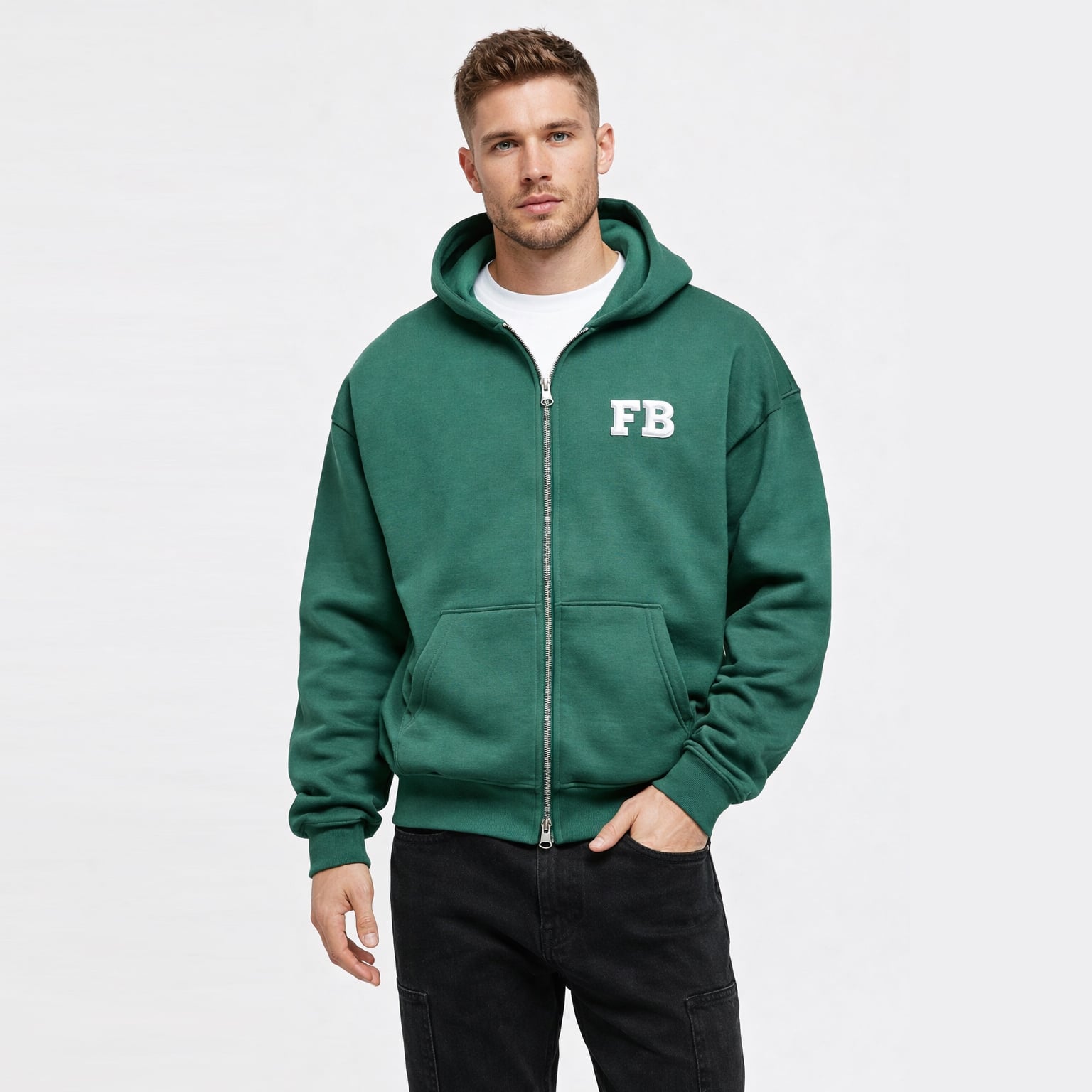
Wearing an embroidered hoodie should feel comfortable and pleasant against your skin, yet many people experience irritation or scratching from poorly constructed garments. The difference between a comfortable embroidered hoodie and one that causes discomfort lies primarily in the backing materials used during the embroidery process. Understanding these backing options is essential for anyone looking to purchase or manufacture quality embroidered hoodies that provide both aesthetic appeal and all-day wearability without skin irritation.
The backing material attached to an embroidered hoodie serves as the foundation that supports the embroidery stitches while protecting the wearer from sharp thread ends and rough textures. When manufacturers skip quality backing or choose inappropriate materials, wearers experience scratching, itching, and general discomfort that undermines the garment's value. This guide explores the most effective backing materials that prevent embroidered hoodie irritation and ensure your investment delivers genuine comfort alongside visual appeal.
Understanding Embroidery Backing Fundamentals
Why Backing Matters for Embroidered Hoodie Comfort
Every embroidered hoodie relies on backing material to anchor embroidery threads securely while creating a barrier between stitches and sensitive skin. Without proper backing, embroidery threads can shift, fray, and create sharp edges that irritate the skin directly beneath. High-quality backing materials stabilize the embroidery, prevent thread migration, and create a smooth finished surface that feels pleasant against your body. The embroidered hoodie industry has evolved significantly, with manufacturers now recognizing that backing choice dramatically impacts customer satisfaction and repeat purchases.
How Backing Prevents Scratching in Embroidered Hoodies
Backing materials function through multiple protective mechanisms that make an embroidered hoodie skin-friendly. First, they stabilize the fabric base, preventing thread movement that causes snagging and scratching. Second, quality backing materials create a smooth interior layer that seals rough thread ends, essentially encapsulating sharp fibers away from direct skin contact. Third, certain backing materials distribute embroidery weight evenly across the embroidered hoodie, reducing pressure points that could irritate sensitive skin. The embroidered hoodie that incorporates professional-grade backing maintains its integrity through many wash cycles, preserving comfort and appearance long-term.
Premium Backing Materials for Embroidered Hoodie Protection
Tearaway Backing for Lightweight Embroidered Hoodies
Tearaway backing represents one of the most popular choices for embroidered hoodies because it offers excellent stabilization during production while being removed after embroidery completion. This water-soluble or perforated material supports thread tension without leaving permanent material behind, making the embroidered hoodie feel lighter and more breathable. Tearaway backing works particularly well for embroidered hoodies with lighter thread weights and simpler designs where permanent backing might create excessive stiffness. The embroidered hoodie produced with tearaway backing typically offers superior comfort in the wearing zone directly against skin because no additional layers remain inside the garment.
Cut-Away Backing for Durability in Embroidered Hoodies
Cut-away backing provides permanent reinforcement that makes embroidered hoodies significantly more durable and resistant to thread migration over extended wear and washing. Unlike tearaway options, cut-away backing remains inside the embroidered hoodie after production, creating a stable foundation that prevents stitches from coming loose even after repeated stretching and movement. High-quality cut-away backing materials for embroidered hoodies are engineered to feel smooth and non-irritating against skin, often treated with soft finishes that eliminate scratching sensations. The embroidered hoodie with premium cut-away backing maintains its embroidery integrity through hundreds of wash cycles while remaining comfortable throughout the garment's lifespan.
Stabilizer Films and Adhesive Backing for Embroidered Hoodies
Modern embroidered hoodie manufacturing increasingly employs stabilizer films that adhere directly to fabric, creating seamless protection without bulk. These films bond to the hoodie interior during production, encapsulating thread ends completely and eliminating any possibility of scratching or snagging. Adhesive-backed stabilizers excel in embroidered hoodies with dense stitch counts because they distribute weight evenly and prevent fabric puckering that could create uncomfortable pressure points. The embroidered hoodie featuring film-based backing offers exceptional comfort because the backing layer essentially becomes invisible and undetectable to the wearer while providing maximum thread protection.
Selecting the Right Backing for Your Embroidered Hoodie
Assessing Design Complexity and Backing Requirements
The appropriate backing material for an embroidered hoodie depends directly on design complexity, thread density, and intended wear frequency. Simple embroidered hoodies with small logos or minimal stitching often perform adequately with tearaway backing, since simpler designs generate less stress on threads and create fewer potential irritation points. Complex embroidered hoodies featuring large artwork, dense color fills, or multiple thread types require cut-away or film-based backing to ensure long-term stability and comfort. Professional embroidered hoodie manufacturers assess each design's specific requirements rather than applying a one-size-fits-all approach to backing selection.
Evaluating Material Quality and Skin-Friendliness
Quality backing materials for embroidered hoodies must meet specific standards for softness, durability, and skin compatibility. Premium backing solutions for embroidered hoodies are typically composed of non-woven synthetic materials that resist fraying, maintain dimensional stability through washing, and feel soft rather than stiff or plastic-like against skin. Testing an embroidered hoodie by wearing it inside-out allows customers to assess backing quality directly—comfortable backing should feel smooth and uniform without rough textures or sharp edges. Reputable manufacturers of embroidered hoodies invest in backing materials that exceed basic industry standards, understanding that backing quality directly determines customer satisfaction and brand loyalty.
Production Methods That Protect Embroidered Hoodie Wearers
Beyond material selection, production techniques significantly impact how comfortable an embroidered hoodie feels during wear. Professional manufacturers trim excess threads flush with backing material rather than leaving long strands that could contact skin. The embroidered hoodie undergoes pressing to ensure backing material bonds securely to the garment without creating separation that would expose threads. Quality embroidered hoodie producers also perform inspection processes that identify and address any backing defects before the garment reaches customers, ensuring every embroidered hoodie meets consistent comfort standards.
FAQ
Does tearaway backing make an embroidered hoodie less durable than cut-away backing?
Tearaway backing can produce durable embroidered hoodies for lightweight designs with moderate thread counts, but cut-away backing generally provides superior long-term durability for embroidered hoodies experiencing heavy wear or frequent washing. The embroidered hoodie with tearaway backing works well for decorative elements that won't experience significant friction or stress, while cut-away backing prevents thread migration in embroidered hoodies with dense stitching or large artwork that's prone to stress during movement and laundering.
Can backing material cause allergic reactions on an embroidered hoodie?
Backing materials for embroidered hoodies can occasionally trigger sensitivity in people with specific synthetic material allergies, though quality backing is generally hypoallergenic. When selecting an embroidered hoodie, individuals with sensitive skin should request backing information from manufacturers and test the embroidered hoodie by wearing it inside-out for short periods to assess compatibility. Premium embroidered hoodie producers often provide backing material composition details and offer natural fiber options for customers with known sensitivities to synthetic materials.
How does backing material affect washing and care of an embroidered hoodie?
Backing material choice influences how an embroidered hoodie responds to washing and maintenance procedures, with cut-away and film-based backings generally withstanding more aggressive laundering than tearaway options. An embroidered hoodie with quality permanent backing maintains its appearance and comfort through multiple wash cycles without backing deterioration or backing separation. Manufacturers typically recommend gentle washing for embroidered hoodies regardless of backing type, but premium backed embroidered hoodies tolerate occasional machine washing better than garments with inferior backing materials.