 EN


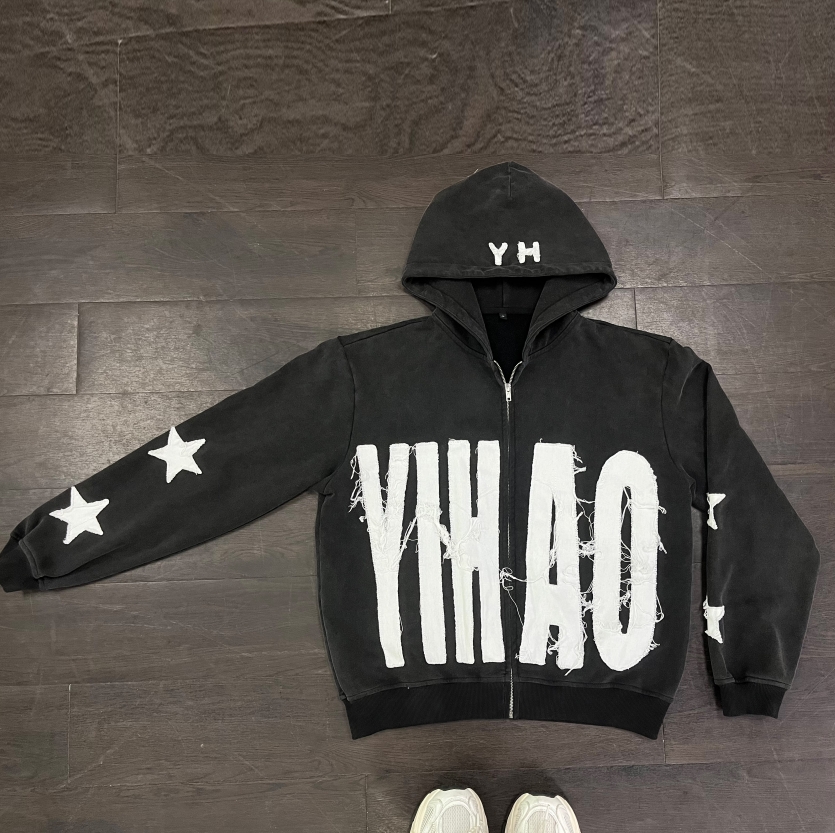
Choosing shoulder drop and sleeve width for a boxy hoodie starts with the silhouette you want, not a size label alone. A boxy hoodie should feel broad and relaxed through the upper body, but the shoulder seam and sleeve volume determine whether that shape looks intentional or simply oversized. Use garment measurements, body proportions, and the way the hoodie will be worn to set a practical fit target.

The right boxy hoodie balances a dropped shoulder with a sleeve that has room without swallowing the hand. Start by deciding how far the shoulder seam should sit beyond the natural shoulder point, then assess sleeve width in relation to the cuff and body. This approach makes a boxy hoodie easier to spec, sample, and evaluate consistently, whether you are developing one style or fitting a coordinated apparel range.
Set the intended shoulder drop
Measure from the natural shoulder point
Find the natural shoulder point where the shoulder meets the upper arm, then compare it with the garment seam. On a boxy hoodie, a modest drop creates a relaxed outline while keeping the sleeve attachment close enough to support movement. A deeper drop makes the body look wider and the armhole lower, so the boxy hoodie can appear more oversized even when its chest measurement is unchanged.
When reviewing a boxy hoodie sample, measure from the neck point to the shoulder seam on both sides and record the total shoulder width. Do not judge drop from a flat photo alone, because posture, fabric weight, and how the garment is laid out can distort the apparent position. Try the boxy hoodie on the intended fit model, and note whether the seam lands at the planned point while the wearer stands naturally.
Match drop to body proportions and use
A boxy hoodie designed for layering may need enough shoulder drop to sit comfortably over a T-shirt or light midlayer. If the drop is too shallow, the upper body can feel restrictive; if it is too deep, fabric may bunch under a jacket or pull when the arm lifts. Consider the boxy hoodie’s end use, expected layers, and desired visual width before locking the shoulder measurement.
For a cleaner, less exaggerated shape, keep the shoulder seam only moderately beyond the wearer’s shoulder point and let the body width provide the boxy effect. For a more pronounced streetwear silhouette, a boxy hoodie can use a deeper drop, but the armhole must still allow comfortable reach. Compare the sample from the front and side, because a boxy hoodie may look balanced head-on while extending awkwardly across the upper arm.
Choose sleeve width for comfort and proportion
Evaluate the sleeve from upper arm to cuff
Sleeve width should relate to both the shoulder drop and the body’s overall volume. A boxy hoodie with wide sleeves and a deep drop can look cohesive, while a narrow sleeve attached to a broad shoulder may create a pinched transition. Check the sleeve width at the bicep and forearm, and make sure the boxy hoodie allows the wearer to bend an elbow without excessive tension or twisting.
Measure the sleeve flat at consistent points on every sample, since small differences can change the way a boxy hoodie hangs. A roomy upper sleeve supports the relaxed shape, but excess fabric near the elbow may fold heavily when the arm rests at the side. Ask the fit model to reach forward and across the body. The boxy hoodie should move without pulling the chest or lifting the hem noticeably.
Balance cuff opening, sleeve length, and volume
The cuff opening controls how a boxy hoodie sleeve finishes at the wrist. A close rib cuff gathers sleeve fabric and keeps the hand clear, whereas a looser opening produces a straighter, more casual fall. Neither choice works in isolation: check the cuff against sleeve width so the boxy hoodie does not balloon above a tight band or look limp at the wrist.
Sleeve length also affects perceived width. If the cuff falls well past the wrist, a boxy hoodie may look larger than its measurements suggest and can interfere with work or daily tasks. If it stops too high, the sleeve can seem short beside a dropped shoulder. Fit the boxy hoodie with arms relaxed and extended, and confirm that the cuff stays in a useful position without restricting the hand.
Validate the fit through sampling
Use measurements and movement checks together
A measurement sheet gives a boxy hoodie repeatable targets, but it cannot show every issue in motion. Record shoulder width, shoulder drop, bicep width, sleeve length, and cuff opening, then compare the sample with the intended size range. Test the boxy hoodie while standing, sitting, reaching, and layering. These checks reveal whether the drop and sleeve width work together rather than looking right only in a static fitting pose.
When revising a boxy hoodie, change one related set of measurements at a time. If the sleeve looks crowded, first determine whether the cause is a narrow bicep, a shallow armhole, or a shoulder seam that sits too close. Adjusting every point at once makes it difficult to identify what improved the fit. Keep notes and photos for each boxy hoodie sample so the pattern decision remains clear across review rounds.
Confirm the silhouette across sizes and fabric
A boxy hoodie should preserve its intended shape through the size range, not only on the central fit size. Check how shoulder drop and sleeve width grade for smaller and larger bodies, because a uniform increment may create very different proportions. Review the boxy hoodie on more than one fit size when possible, paying attention to seam position, sleeve balance, and whether the body still reads as boxy.
Fabric weight and stretch can affect how a boxy hoodie hangs, even when the pattern measurements stay unchanged. A heavier fabric may hold a broad sleeve shape, while a softer fabric can drape closer to the arm. Approve the boxy hoodie in the intended material and construction, then judge the actual garment rather than relying only on a paper specification. The final decision should connect measurement, movement, and the target silhouette.
FAQ
How far should a boxy hoodie shoulder seam drop?
There is no single drop that suits every boxy hoodie. Set the seam position according to the desired silhouette, body proportions, and layering needs, then verify it on a fit model. The seam should look intentional and allow comfortable arm movement.
Should a boxy hoodie have wide sleeves?
A boxy hoodie usually benefits from relaxed sleeve room, but extreme width is not necessary. Balance bicep and forearm measurements with the shoulder drop, cuff opening, and intended use. Movement checks help confirm that the sleeve feels roomy without excess fabric getting in the way.
How can I assess sleeve width before production?
Measure the sample at consistent sleeve points and test it on the intended fit model in the planned fabric. Check the boxy hoodie with arms relaxed, bent, and extended, then record any pulling, bunching, or cuff issues. Use those observations to guide measured revisions.