 EN


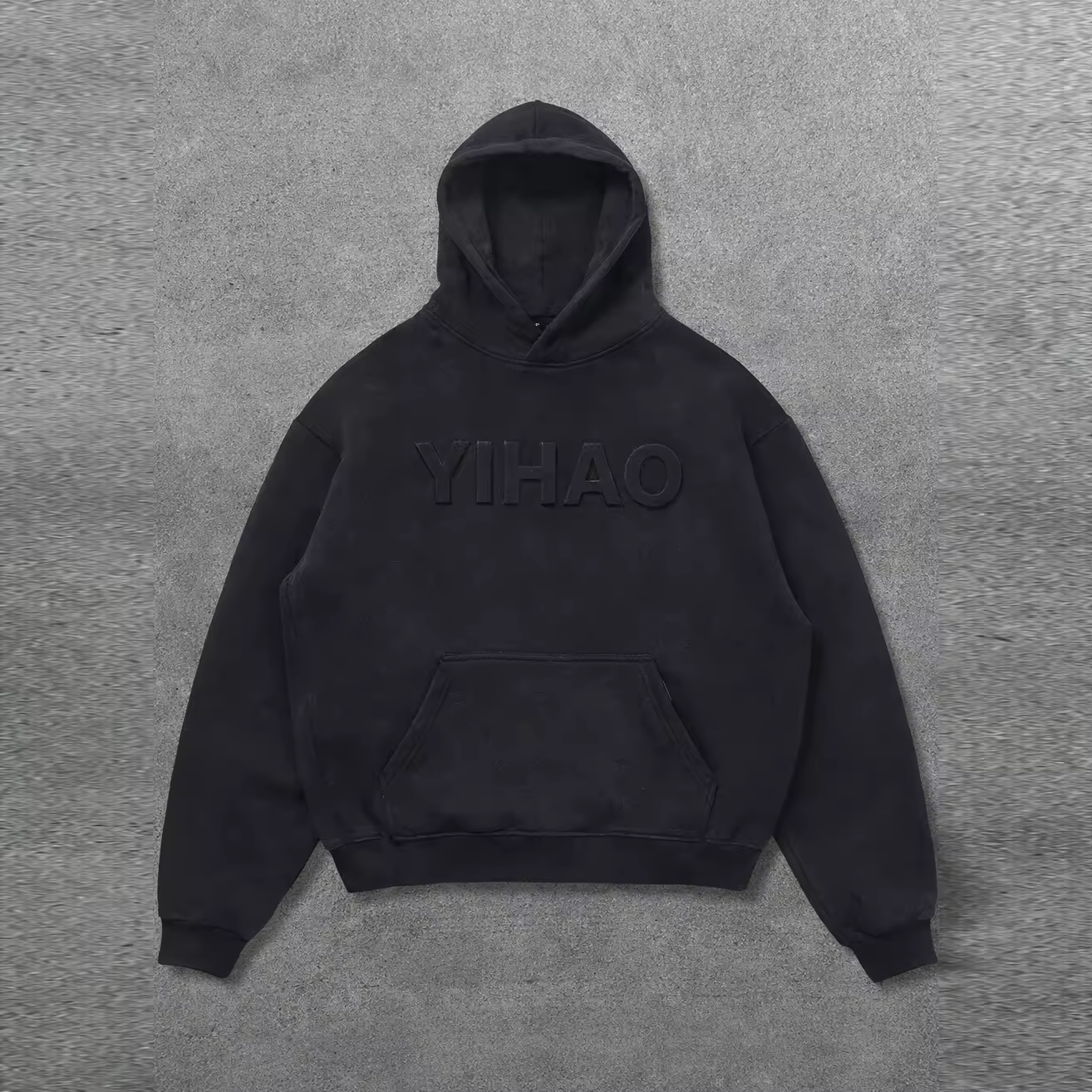
Selecting the right fabric weight for an embossed hoodie is one of the most critical decisions you can make when investing in quality workwear or casual apparel. The fabric weight directly influences how your embossed hoodie will perform, feel, and last through repeated wear and washing. Many buyers underestimate this factor, only to discover later that their embossed hoodie lacks the durability or comfort they expected. Understanding fabric weight standards and how they apply to embossed hoodies helps you make an informed choice that aligns with your specific use case, climate, and longevity goals.

Fabric weight is measured in grams per square meter, commonly abbreviated as GSM. This metric indicates how dense and substantial the material is, which directly correlates with strength, thermal retention, and perceived quality. When you choose an embossed hoodie with the appropriate weight, you're ensuring that the garment can support the embossed design without pilling, stretching excessively, or degrading prematurely. An embossed hoodie constructed from lightweight fabric may feel comfortable initially but will likely show wear around the embossed areas faster than a properly weighted alternative.
Understanding Fabric Weight Categories for Embossed Hoodies
Lightweight Embossed Hoodie Options
Lightweight embossed hoodies typically range from 200 to 280 GSM and work well for mild climates and layering. However, an embossed hoodie in this weight range requires careful consideration. The embossed detailing may be more visible and tactile on lightweight fabric, which some buyers prefer for aesthetic reasons. Yet the structural integrity of an embossed hoodie with lower GSM can be compromised, particularly in the embossed areas where stitching and design elements create stress points. An embossed hoodie at this weight is suitable mainly for indoor environments, temperate seasons, or individuals who prioritize breathability over maximum durability.
Midweight Embossed Hoodie Standards
Midweight embossed hoodies fall between 280 and 400 GSM, offering a balanced profile that suits most general-purpose applications. An embossed hoodie in the midweight category provides reasonable durability while remaining comfortable for extended wear. This weight range is popular for embossed hoodie designs intended for casual office settings, outdoor activities, or everyday personal use. The midweight embossed hoodie maintains sufficient fabric structure to support embossed details without excessive pilling or stretching, while still allowing adequate breathability and flexibility for natural movement throughout the day.
Heavyweight Embossed Hoodie Construction and Benefits
Superior Durability of Heavyweight Embossed Hoodies
Heavyweight embossed hoodies exceed 400 GSM, with premium options reaching 500 GSM or higher. An embossed hoodie constructed from heavyweight fabric represents the pinnacle of durability and structural integrity. The embossed hoodie in this category can withstand frequent washing, extended use in demanding environments, and the natural stress that embossed designs experience from wear patterns. The density of heavyweight material means that an embossed hoodie maintains its shape, color saturation, and dimensional stability through numerous wash cycles, making it an excellent investment for workwear applications or premium casual collections.
Thermal Performance and Weight Correlation
A heavyweight embossed hoodie provides superior insulation compared to lighter alternatives, which is critical for cold-weather applications. The dense weave structure of an embossed hoodie at higher GSM creates more air pockets, which trap and retain body heat more effectively. If your embossed hoodie will be worn primarily in cooler climates or outdoor settings, selecting heavyweight fabric is essential for functional performance. The embossed hoodie's thermal properties improve with weight, making it suitable for fall, winter, or mountainous regions where additional insulation is necessary for comfort and safety.
Fabric Composition and Its Role in Embossed Hoodie Performance
Cotton and Blend Selection for Embossed Hoodies
Most embossed hoodies are constructed from 100% cotton or cotton-blend fabrics like cotton-polyester combinations. An embossed hoodie made from 100% cotton offers superior breathability and natural fiber comfort, though it may shrink slightly and wrinkle more easily. An embossed hoodie using a cotton-polyester blend, often 80/20 or 70/30 ratios, provides enhanced durability, reduced shrinkage, and improved shape retention. When selecting an embossed hoodie, consider whether pure cotton benefits or synthetic durability advantages align better with your intended use, storage conditions, and maintenance capacity.
French Terry and Fleece Materials in Embossed Hoodies
French terry is a premium knit fabric commonly used in high-quality embossed hoodies. An embossed hoodie made from French terry features a soft, looped interior that enhances comfort while maintaining structural integrity across the embossed areas. Fleece-based embossed hoodies offer exceptional warmth and plushness but may require more careful maintenance to prevent pilling. An embossed hoodie constructed from quality French terry at 400 GSM or higher delivers both luxury feel and exceptional longevity, making it ideal for premium offerings or demanding professional environments where durability is non-negotiable.
Practical Guidelines for Selecting Your Embossed Hoodie Weight
Matching Weight to Use Case and Environment
Determine the primary context where your embossed hoodie will be worn. An embossed hoodie for indoor office settings might function adequately at 280–350 GSM, while an embossed hoodie intended for outdoor work, construction, or shipping environments should be heavyweight at 400 GSM minimum. Climate is equally important: an embossed hoodie for temperate regions can be midweight, but an embossed hoodie for consistently cold areas demands heavyweight construction. Consider also whether your embossed hoodie will undergo frequent washing or heavy-use patterns; higher frequency and intensity justify premium weight investment.
Care and Maintenance Impact on Embossed Hoodie Longevity
An embossed hoodie's lifespan depends partly on how carefully you maintain it. Heavier embossed hoodies tolerate aggressive washing better than lightweight alternatives, making them practical for high-turnover environments like warehouses or logistics. An embossed hoodie stored in humid conditions may develop mildew; heavier, denser fabrics resist moisture penetration better than lighter weights. If your embossed hoodie will be machine-washed regularly at high temperatures, heavyweight fabric is highly recommended to resist dimensional distortion and preserve the embossed detailing intact through many wash cycles.
Cost Considerations and Value Balance
An embossed hoodie with heavyweight fabric naturally costs more than its lightweight equivalent. However, when you calculate cost-per-wear over the embossed hoodie's lifespan, a heavier investment often proves economical. An embossed hoodie that remains in pristine condition for three years represents better value than a lightweight embossed hoodie that degrades noticeably after one year. Evaluate your budget against anticipated usage duration; an embossed hoodie meant for casual, occasional wear might justify a lower weight, while an embossed hoodie serving as workwear or daily-use essential warrants the premium investment in heavyweight construction.
FAQ
What is the ideal weight for a durable embossed hoodie?
The ideal weight for a durable embossed hoodie is 400 GSM or higher. At this density, an embossed hoodie maintains structural integrity around embossed details, resists pilling, and withstands frequent washing without significant degradation. An embossed hoodie at 400 GSM balances comfort with exceptional longevity, making it the preferred standard for professional and premium casual applications where durability matters.
Can a lightweight embossed hoodie last as long as a heavyweight version?
A lightweight embossed hoodie typically has a shorter lifespan than a heavyweight embossed hoodie due to reduced structural support around embossed areas and thinner fabric susceptibility to pilling. While an embossed hoodie at 250 GSM can function adequately for light, infrequent use, it will not match the durability of a heavyweight embossed hoodie. If longevity is your priority, an embossed hoodie in the heavyweight category is the more reliable investment.
How does fabric weight affect the comfort of an embossed hoodie?
Fabric weight influences both warmth and how an embossed hoodie feels against skin. A lightweight embossed hoodie feels airier and breathable, ideal for transitional weather, while a heavyweight embossed hoodie provides superior insulation and a more substantial, luxurious feel. An embossed hoodie's comfort ultimately depends on matching the weight to your climate and activity level; there is no universal 'most comfortable' weight, only the weight that aligns best with your specific use case.